Redesigning a kitchen is a big decision because it affects how your home works every day. It’s not just about choosing new cabinets or colours. A good kitchen needs to fit how your family cooks, eats, and spends time together. The right choices can make daily tasks easier and help you avoid costly mistakes later. This guide walks you through what really matters, so you can plan a kitchen that works well, lasts longer, and suits your budget.
Kitchen Renovations
Everything to consider when redesigning a kitchen
Many homeowners only realise something is wrong after the kitchen is finished.
A kitchen that looks good can still be hard to use every day. If your family cooks together or entertains often, a cramped layout quickly becomes frustrating. Open kitchens with a large island work well for shared cooking and social time. Smaller homes usually function better with a galley or L-shaped layout that keeps everything close. Open layouts suit busy, social homes, but they are a poor choice if you want to contain noise and smells. Storage choices matter more than people expect. Tall cabinets hide clutter, but they can overwhelm small, low-light kitchens. Material choices affect daily stress. Laminate suits busy families on a budget, while stone or quartz lasts longer if you can afford it. Lighting is often underplanned. Use layered lighting to avoid dark work areas. Always keep a contingency. Cutting corners on ventilation or built-ins causes problems that are expensive to fix later.
Phases and project steps in kitchen design
Dividing a kitchen renovation into clear steps helps keep things organised and prevents expensive mistakes. Begin by thinking about what your family really needs. If you skip this, you might end up with a kitchen that doesn’t work well for your daily life.
Sometimes, changing the layout is better than just updating the look, especially if your kitchen feels crowded or hard to use when guests come over. Look for things that will make cooking and cleaning easier, like shifting appliances to better places, materials that are robust and can handle a lot of wear.
Shiny surfaces may seem nice in stores, but they get smudged and scratched quickly in a busy kitchen. Following a step-by-step plan—like planning, designing, choosing materials, tearing out old parts, and installing new ones—helps everything go smoothly and gives you a kitchen that fits your needs.
Key considerations for planning a kitchen redesign project
First, make a list of what your family genuinely needs in the kitchen, not simply what looks great. This stops you from buying stuff you might regret later. Make sure you have adequate counter space and a layout that makes it easy for everyone to move around if your family likes to cook together. An open-plan kitchen is wonderful for this, but it might be hard if your space is small or if you want to keep noise and mess in one place.
Pick materials that fit your daily life. Stone countertops are strong but cost more at first. Laminate is cheaper but not as tough. Keeping your old appliances can save money, but only if they fit the new kitchen and still work well for you. If you want to manage the project yourself, be honest about how much time and effort it will take. It’s better to hire experts if the job is big or you’re busy. In the end, a good kitchen plan mixes function, style, and budget. If you rush or miss important details, you’ll notice the problems every day.
Getting the right kitchen layout for functionality and flow
An L-shaped or U-shaped layout is ideal when you want generous bench space and a smooth flow between sink, stove, and fridge. Everything stays within easy reach, and movement feels effortless rather than choreographed. This approach suits medium to large kitchens, where you can keep at least a metre between cabinets and any island, so walkways remain relaxed, even with multiple people cooking. In smaller kitchens, resist the urge to add an island. It often looks appealing on paper but quickly makes the room feel crowded and awkward.
For compact spaces, a peninsula or galley layout is usually more refined and practical. Storage and prep areas stay close, and nothing feels wasted. Pay close attention to how appliances open—dishwashers and ovens should never block key walkways, or everyday tasks start to feel frustrating. If entertaining is part of your lifestyle, an open-plan kitchen that flows into living or dining areas creates an easy, social atmosphere. Just be mindful that open kitchens demand tidier benches and come with a little extra noise. Ultimately, the most elegant kitchen layout is the one that supports how your family truly lives, not just how the space photographs.
Incorporating effective lighting solutions for kitchens
When you plan a kitchen remodel, use different types of lighting for the best results. Start with ceiling lights to brighten the whole room. Add LED lights under the cabinets to keep your counters bright and free of shadows. Hang pendant lights over the island to make it feel warm and inviting. This works well if your kitchen has separate areas for cooking, eating, and preparing food.
Each spot gets the right amount of light for what you need to do. Don’t just use one overhead light. If you do, some corners and work areas will be too dark, which makes cooking harder and the room feel smaller. Dimmers are helpful if you want to change the mood or save energy, especially if your family uses the kitchen for both parties and quiet nights. If you need to save money, focus on lighting under cabinets and over main workspaces first. Natural light from windows or skylights is great in open kitchens. In small kitchens, add extra lights where needed so no area feels dark.
Selecting materials, colours, and finishes for kitchen surfaces
When picking materials, colours, and finishes for your kitchen, think about how they will work in your daily life. If you have kids or cook a lot, choose things like engineered stone counters and matte cabinets. These are good because they don’t show stains or fingerprints as much, so cleaning is easier.
If your kitchen lacks natural light, a pale, reflective splashback can lift the entire space, making it feel brighter and more generous.
Use high-gloss finishes with intention. While they catch the light well, they also reveal fingerprints and wear, so they’re best reserved for areas away from heavy foot traffic rather than the hardest-working zones of the kitchen. And, be careful with shiny floors or cabinets. They can show smudges and scratches, especially in busy areas, so it’s better to use them where there isn’t much foot traffic. If you like bold colours or textures, use them in small spots instead of covering big areas. Too much can make a small kitchen feel crowded or not match the rest of your home. If you need to stick to a budget, spend more on strong benchtops and easy-to-clean splashbacks. You can always change cabinet handles or paint colours later. Try to pick colours and finishes that match your home’s style. Always look at samples in your kitchen’s light before you decide.
Maximising storage and organisation in kitchen design
When planning a kitchen renovation, think about storage that fits your family’s needs and the space you have. Floor-to-ceiling cabinets are great if you need to save space. They give you lots of storage without taking up extra room. But if the top shelves are too high, they can be hard to use. Try pull-down racks or keep everyday things where you can reach them easily. Pull-out drawers in lower cabinets are better than fixed shelves. They make it easy to see and grab what you need, so you don’t have to bend down and search in the back. Use drawers if you want everything to be easy to find.
Deep, fixed cupboards can get messy unless you are very organised. In a small kitchen, a pantry with shelves you can move is helpful because it can change as your needs do. Avoid big open shelves unless you know you will keep them neat.
Drawer organisers and racks on cabinet doors help keep things like utensils and spices in order. Always match your storage choices to your space and how you use your kitchen. If you don’t, you might end up with crowded counters and wasted space.
Integrating modern appliances and smart kitchen features
Bringing new appliances and smart features into your kitchen works best when you match them to how your family really lives and uses the space. If you like to have friends over, you might want a built-in cooktop and a smart oven that makes cooking easier and keeps your counters clear. But if your kitchen is small or you don’t have many power outlets, picking big appliances or forgetting about extra plugs can make things harder and cost more money. Pick appliances that fit well in your cabinets. Think about whether you will actually use things like touchless taps or lights you control with your phone. Go for built-in options if you want your kitchen to look neat and be easy to clean. But don’t make things too complicated if your family likes simple, manual controls. Smart features are best when they make your kitchen easier to use, not harder.
Creating spaces for socialising and entertaining within the kitchen
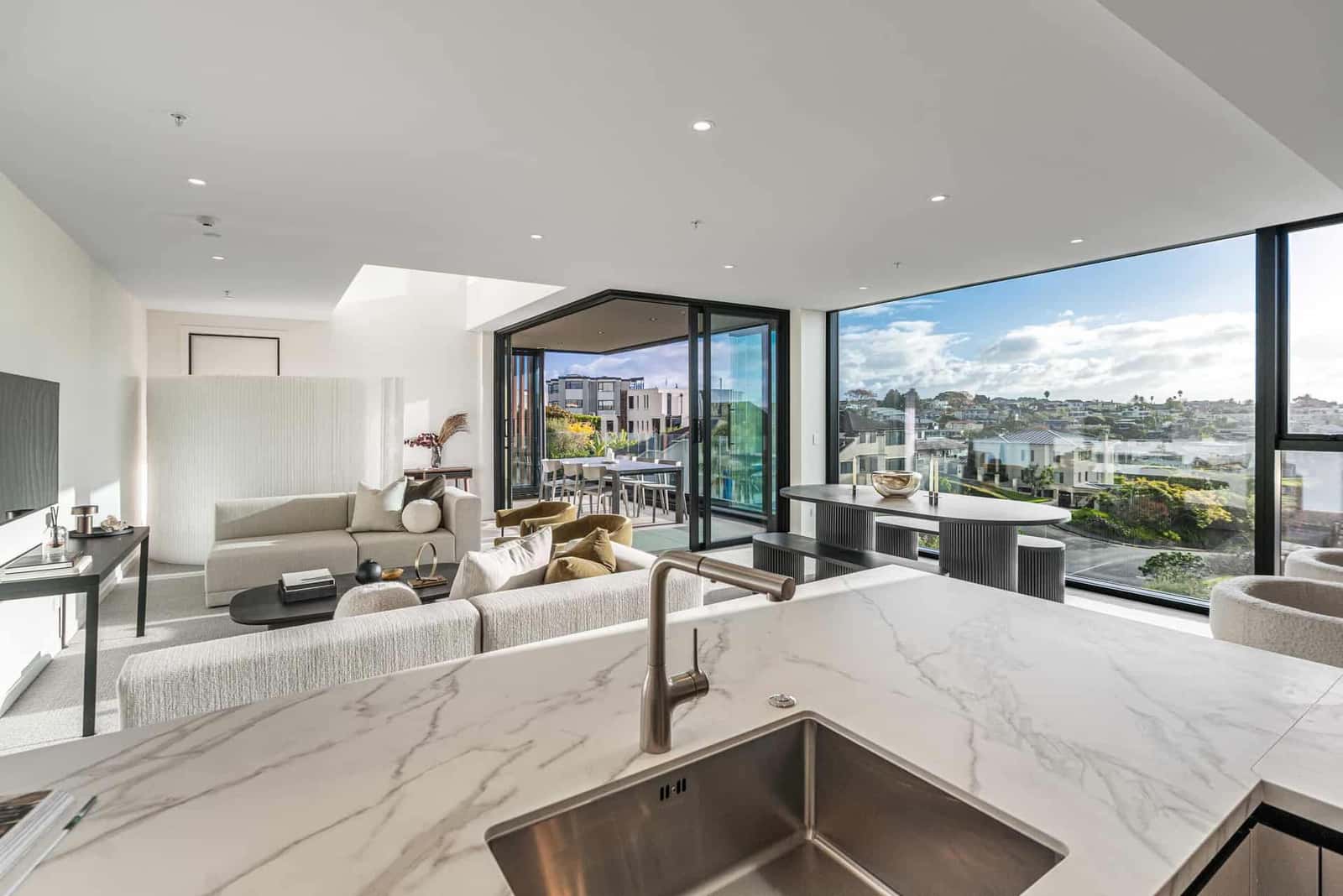
If you want your kitchen to be great for entertaining, try to make it open and easy to move around. An open-plan kitchen lets people talk and spend time together while you cook. It works best if your kitchen connects to the living or dining room. Guests can sit at an island or a breakfast bar and chat with you. If you often have big groups, double-sided island seating is helpful, but don’t use it in a narrow kitchen because it can get crowded fast. Adding a mini bar or coffee station near where you cook lets guests help themselves without getting in your way. If your kitchen opens right onto a deck or patio, it becomes a perfect spot for parties, but make sure the doorway is wide and clear. Leave plenty of space around seats and islands. Don’t try to squeeze in too many stools or tables, or the kitchen will feel tight and uncomfortable. If you have people over a lot, pick surfaces that are tough and easy to clean. Good lighting with different levels helps set the mood for any event.
Essential steps and phases in a kitchen renovation
Start by deciding what matters most to you. Do you want your kitchen to work better, have more storage, or just look new? This choice will guide everything else. If your space is small and your family is busy, an open-plan kitchen with built-in storage can help. But remember, custom cabinets cost more, so only pick this if you have the budget. Open layouts are good if you want rooms to flow together, not be separate. If money is tight, skip custom options because they get expensive fast. After you set your goals and budget, plan your layout. Don’t forget about the work triangle or good lighting, or you might get annoyed every day. When picking materials, choose ones that last. Laminate counters are cheap, but stone is stronger and lasts longer. When it’s time to tear out the old kitchen and put in the new one, plan the timing carefully. Problems happen if workers get in each other’s way or if appliances show up too soon or too late. Always save some extra money for surprises behind the walls. If you take it step by step and make clear choices, your new kitchen will make you happy for years.
Budgeting and managing costs for a kitchen redesign
Begin with a clear, realistic budget, then give yourself breathing room by adding a 10–20 percent contingency.
Older homes often hide surprises, tired wiring, lingering moisture, that are best handled calmly, not reactively. If your current layout functions well, keep it. Moving sinks or stoves quickly inflates costs and rarely delivers the transformation people imagine.
Where cabinetry is sound, consider refreshing doors and hardware rather than starting from scratch. It’s a clever way to free up funds for elements that truly endure, such as hardworking benchtops or energy-efficient appliances. Resist committing to statement finishes before the essentials are covered. Overspending on decorative details can leave core items compromised.
If you’re managing the project yourself, track every expense closely and stay flexible. A well-managed budget isn’t restrictive; it’s what allows the final kitchen to feel considered, confident, and complete.
Find More Great Kitchen Solutions & Tips
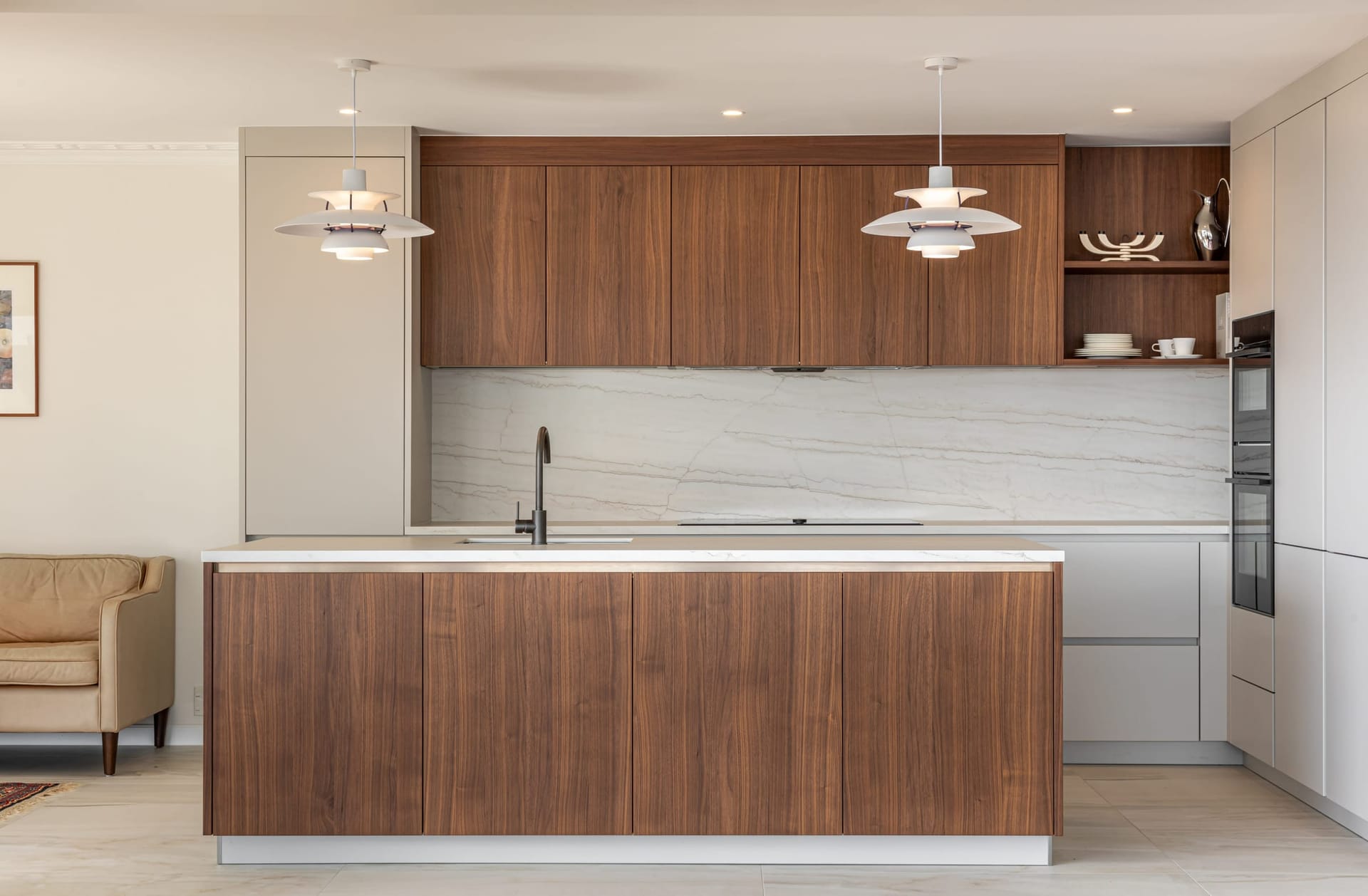
What a Kitchen Designer Gets Right Before Anything Is Ordered
Designing for a household…not a photograph.
Read more about What a Kitchen Designer Gets Right Before Anything Is Ordered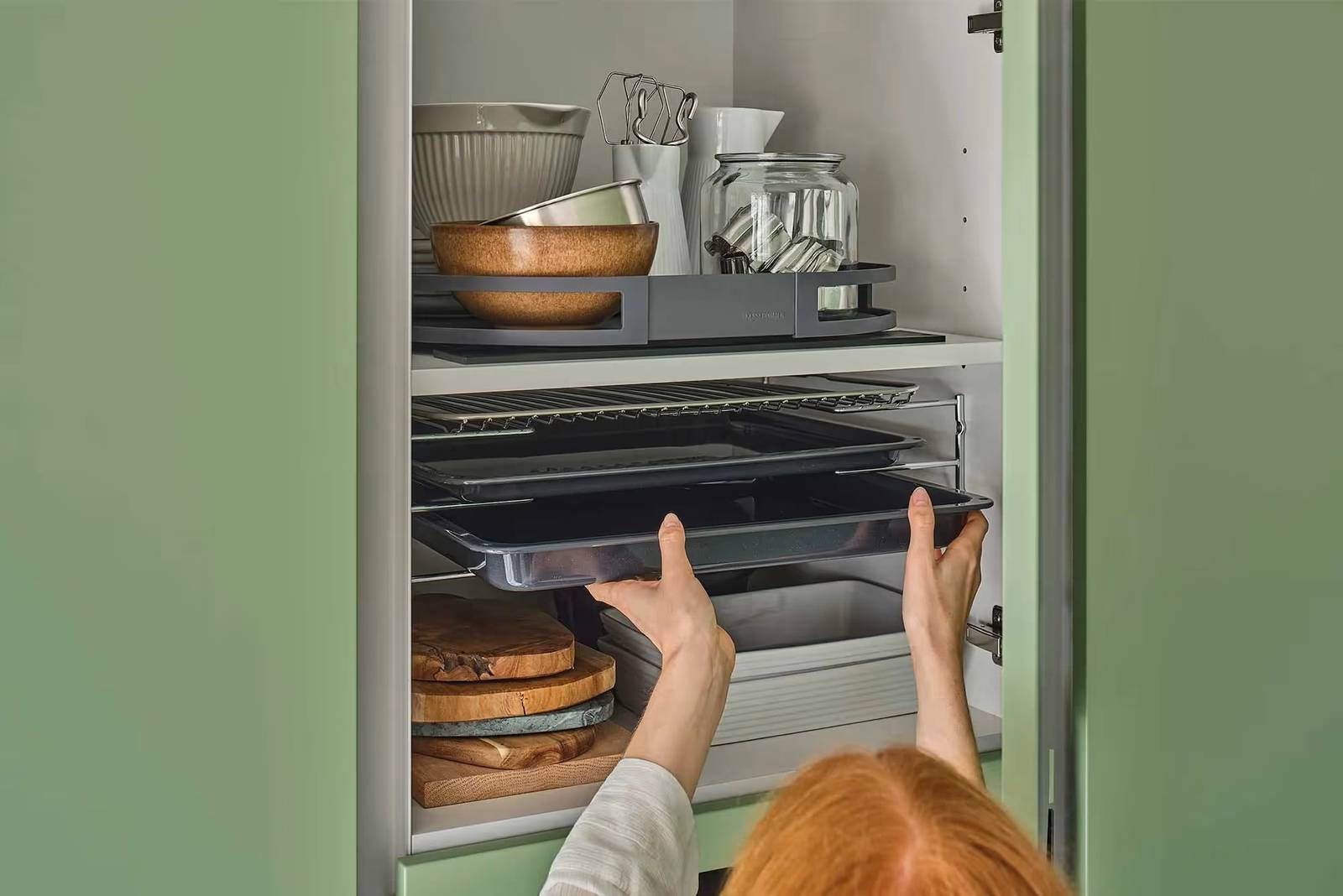
Clever Kitchen Ideas That Will Transform the Way You Cook
Discover clever kitchen ideas that maximise storage, hide clutter and make cooking easier. Explore innovative kitchen storage solutions from Häcker Kitchens.
Read more about Clever Kitchen Ideas That Will Transform the Way You Cook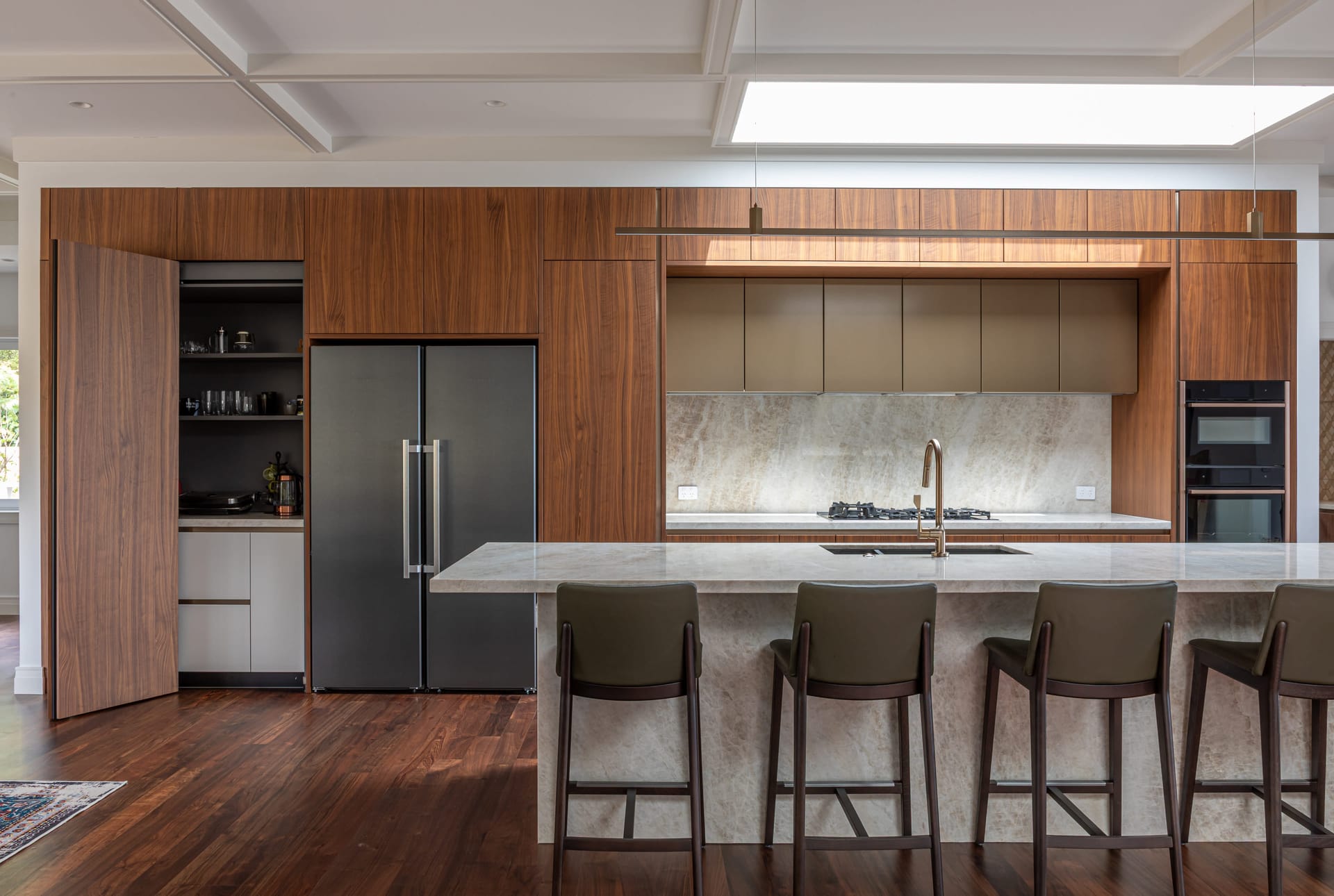
28 Clever Kitchen Ideas You'll Wish You'd Known Before Renovating
From tandem pantries to sliding worktops: 28 clever storage and design ideas that make a kitchen work better every day, and well worth knowing before you renovate.
Read more about 28 Clever Kitchen Ideas You'll Wish You'd Known Before Renovating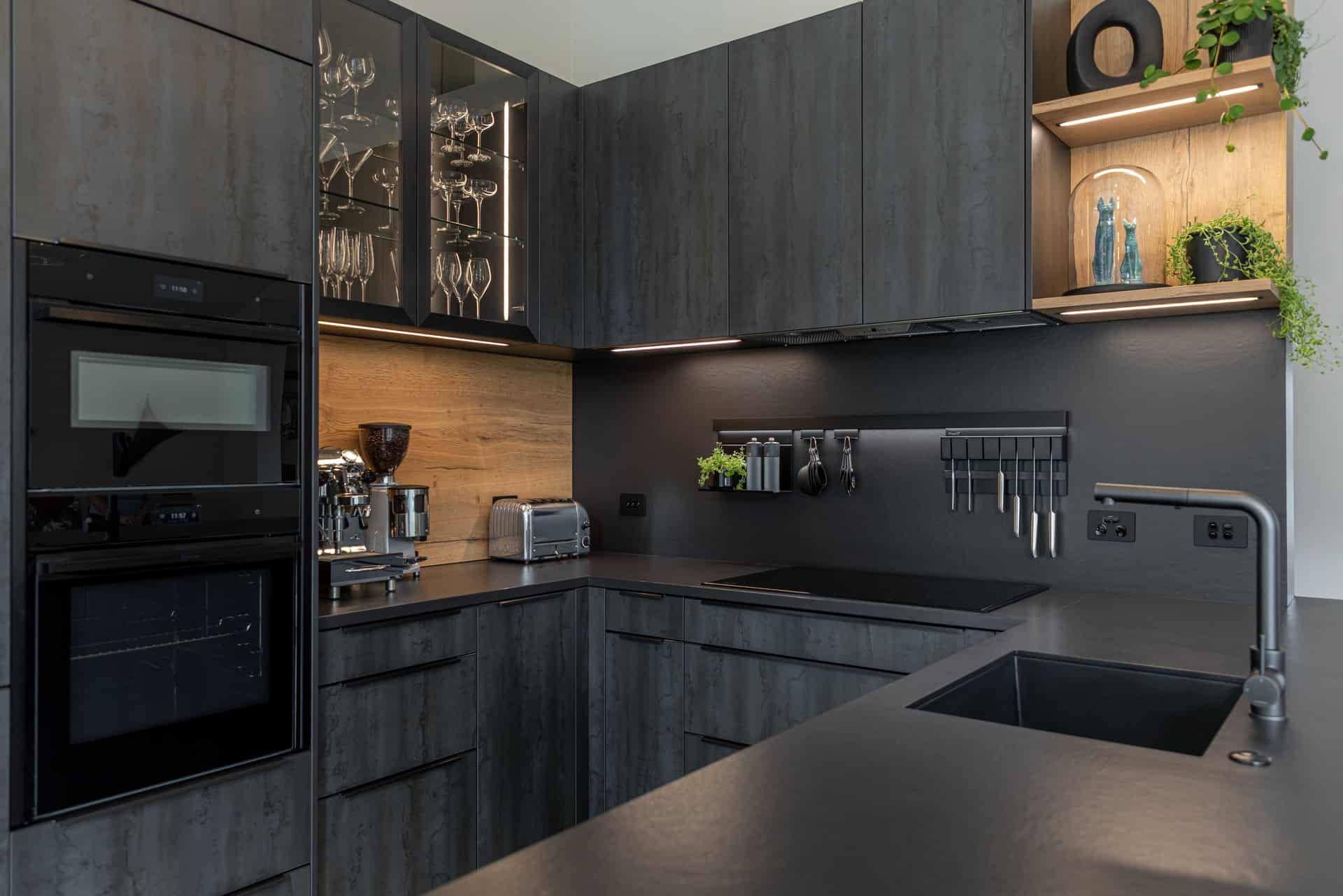
Top 2026 Kitchen Design Trends in New Zealand
As we move along in 2026, the way people live and spend is shaping kitchen design across New Zealand. Homeowners are renovating with more care, and people want their homes and k...
Read more about Top 2026 Kitchen Design Trends in New Zealand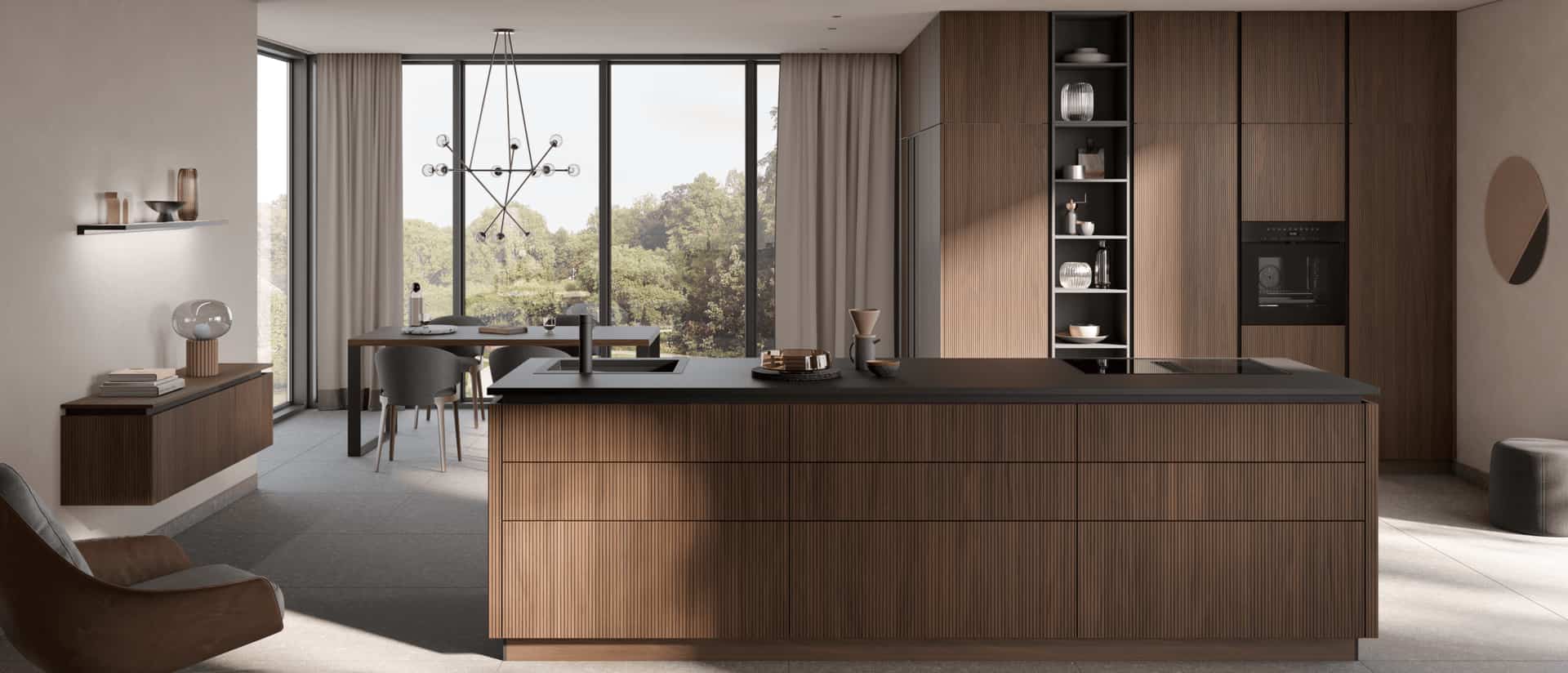
Top 10 Things You Need to Know Before Buying Your New Kitchen
Whether this is your first kitchen renovation or you’ve done it before, the process can feel overwhelming. Kitchens are often considered the most complex area of a home renovation, as they require many elements to wor...
Read more about Top 10 Things You Need to Know Before Buying Your New Kitchen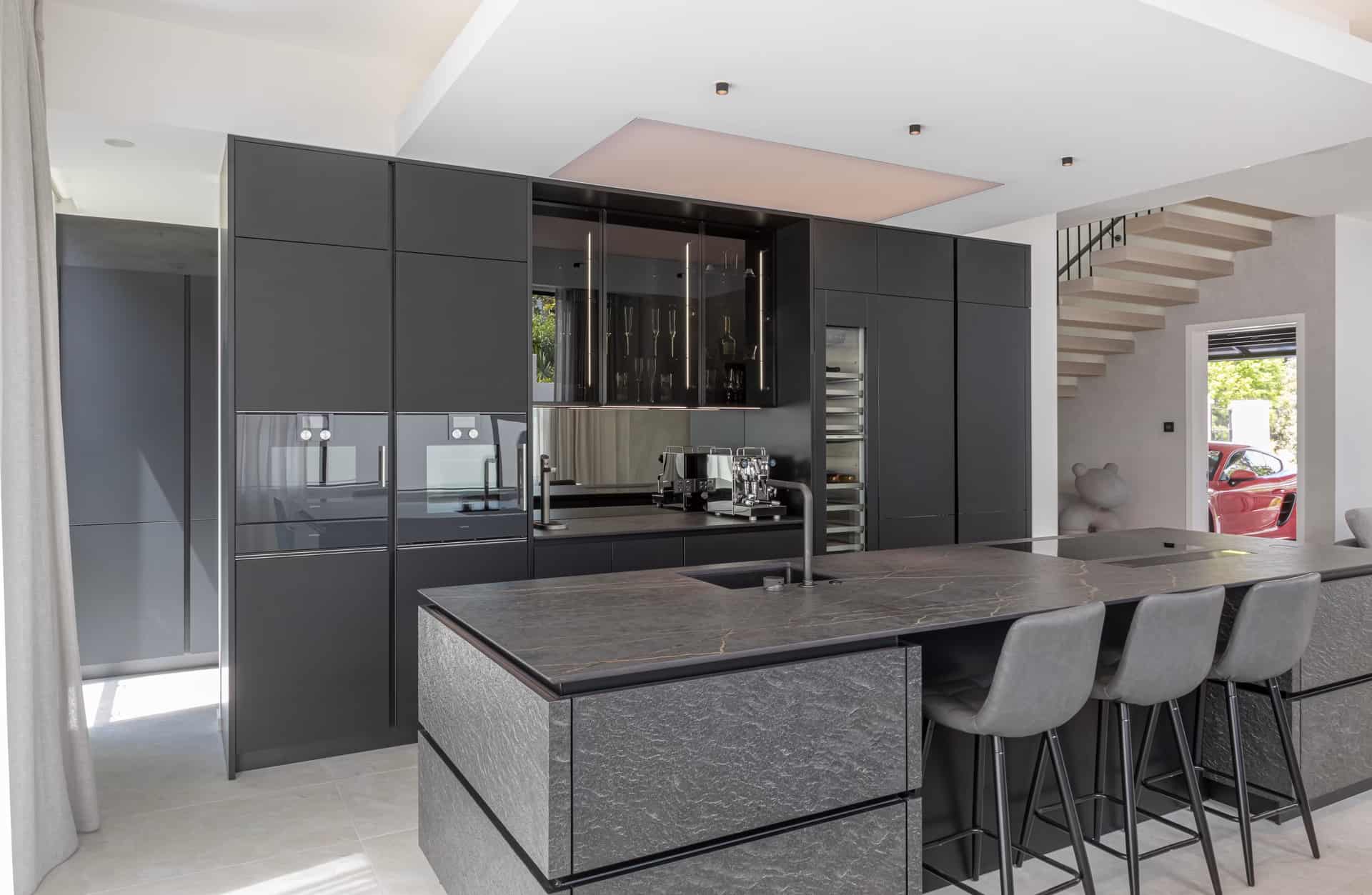
Kitchens Islands
A kitchen island can be the hallmark of a well-designed kitchen, but it is not a decision to make on instinct alone. In New Zealand homes, where kitchens double as social hubs, ...
Read more about Kitchens Islands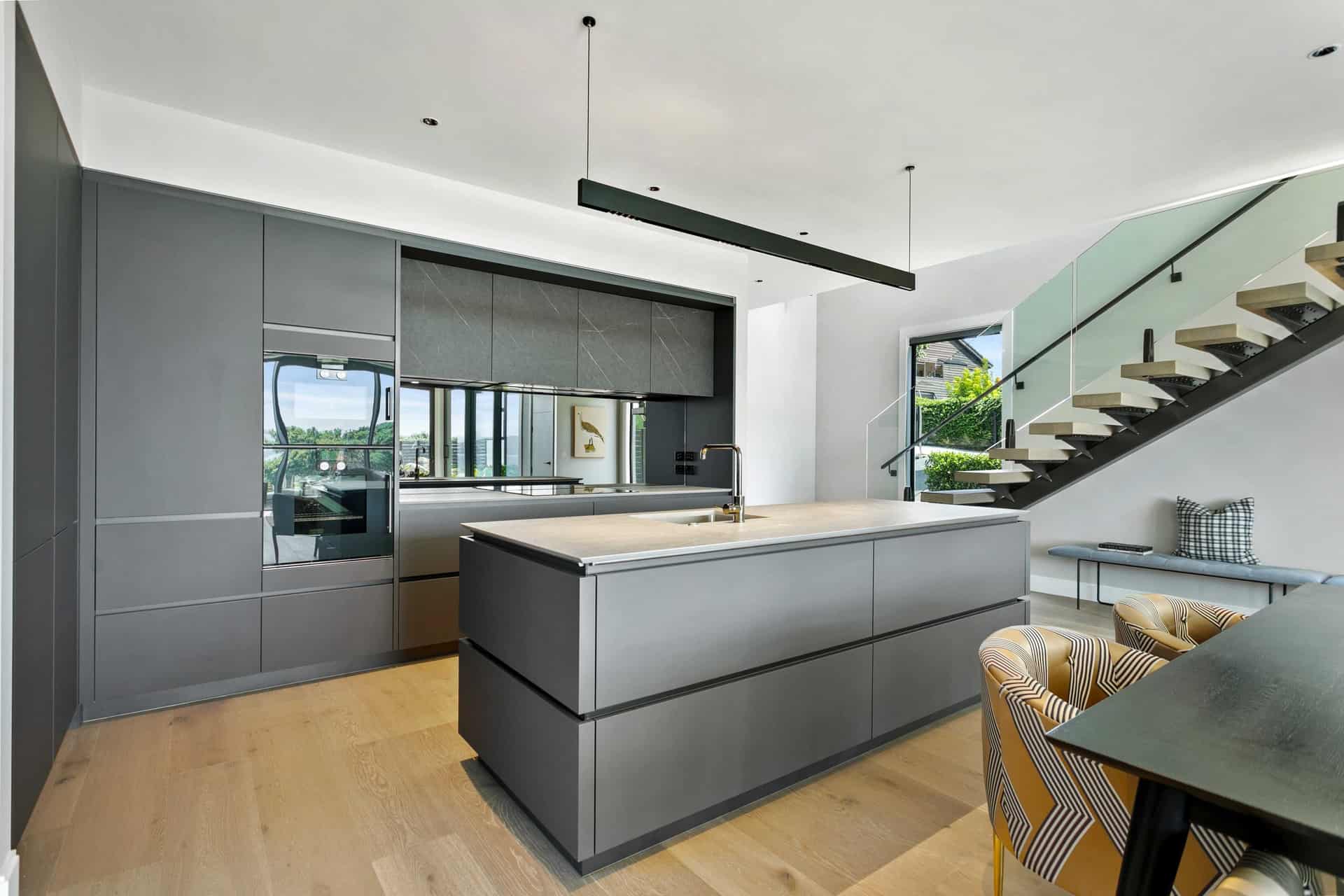
Bespoke Kitchens
A bespoke kitchen is where good taste meets daily life. It is not about showing off, but about shaping a space that feels effortless, calm, and considered. In New Zealand homes,...
Read more about Bespoke Kitchens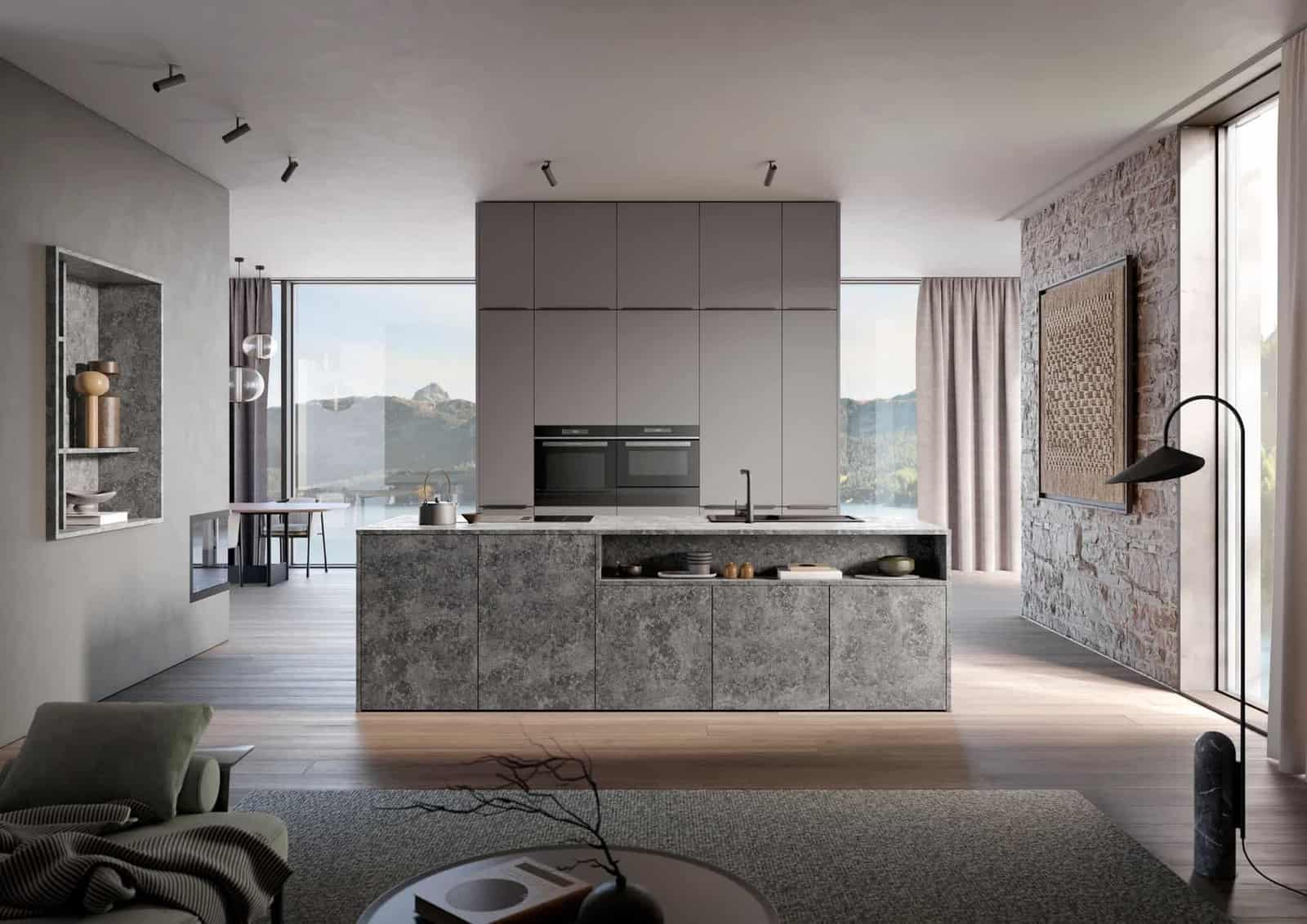
10 Common Kitchen Renovation Mistakes
Learn 10 common kitchen renovation mistakes from professionals and get practical advice to avoid delays, extra costs and design regrets.
Read more about 10 Common Kitchen Renovation Mistakes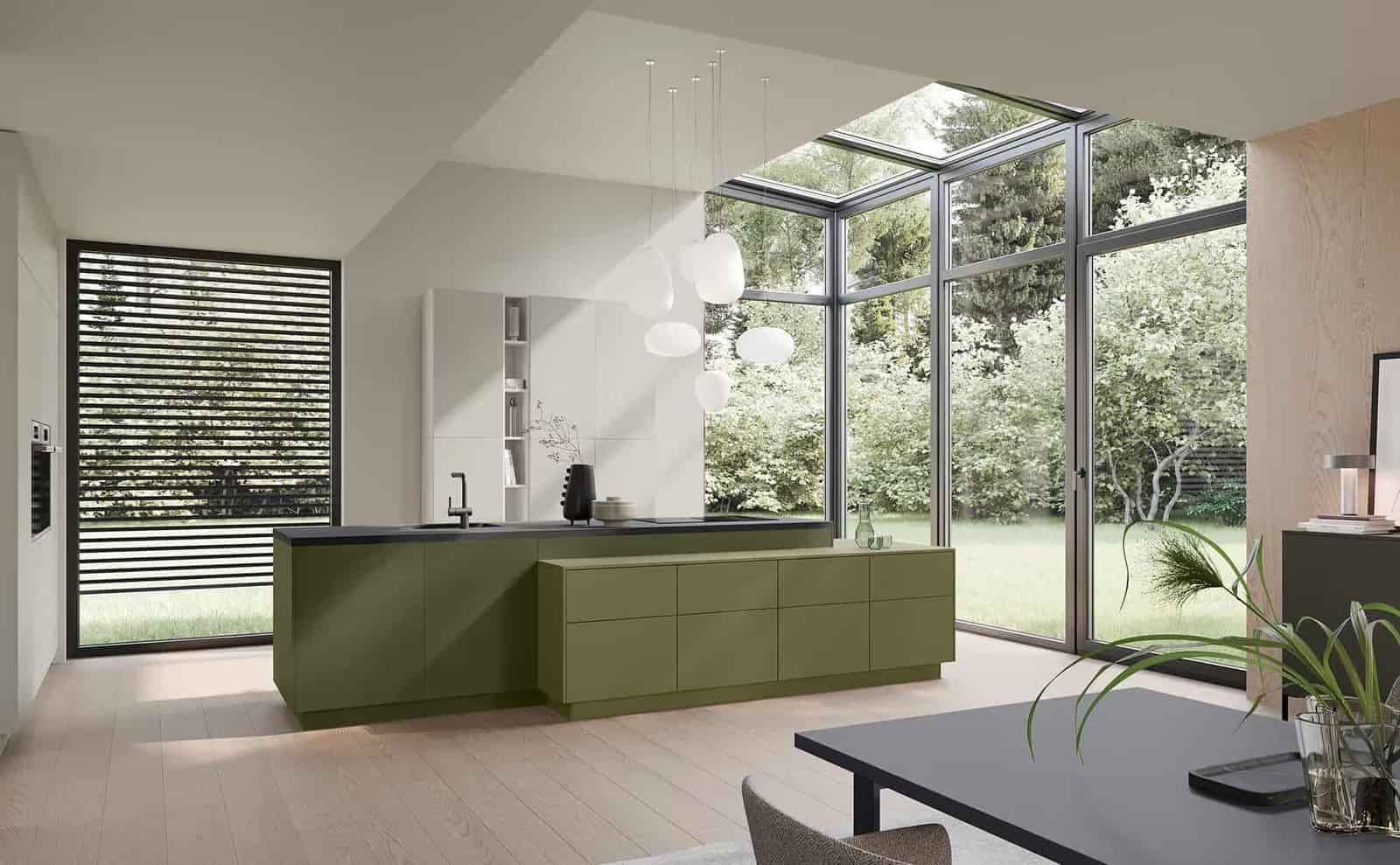
Modern Kitchen Island Ideas
In the heart of every Kiwi home lies the kitchen, where families come together to create memories and share meals. A well-designed kitchen island can elevate the functionality and aesthetics of this space, serving as ...
Read more about Modern Kitchen Island Ideas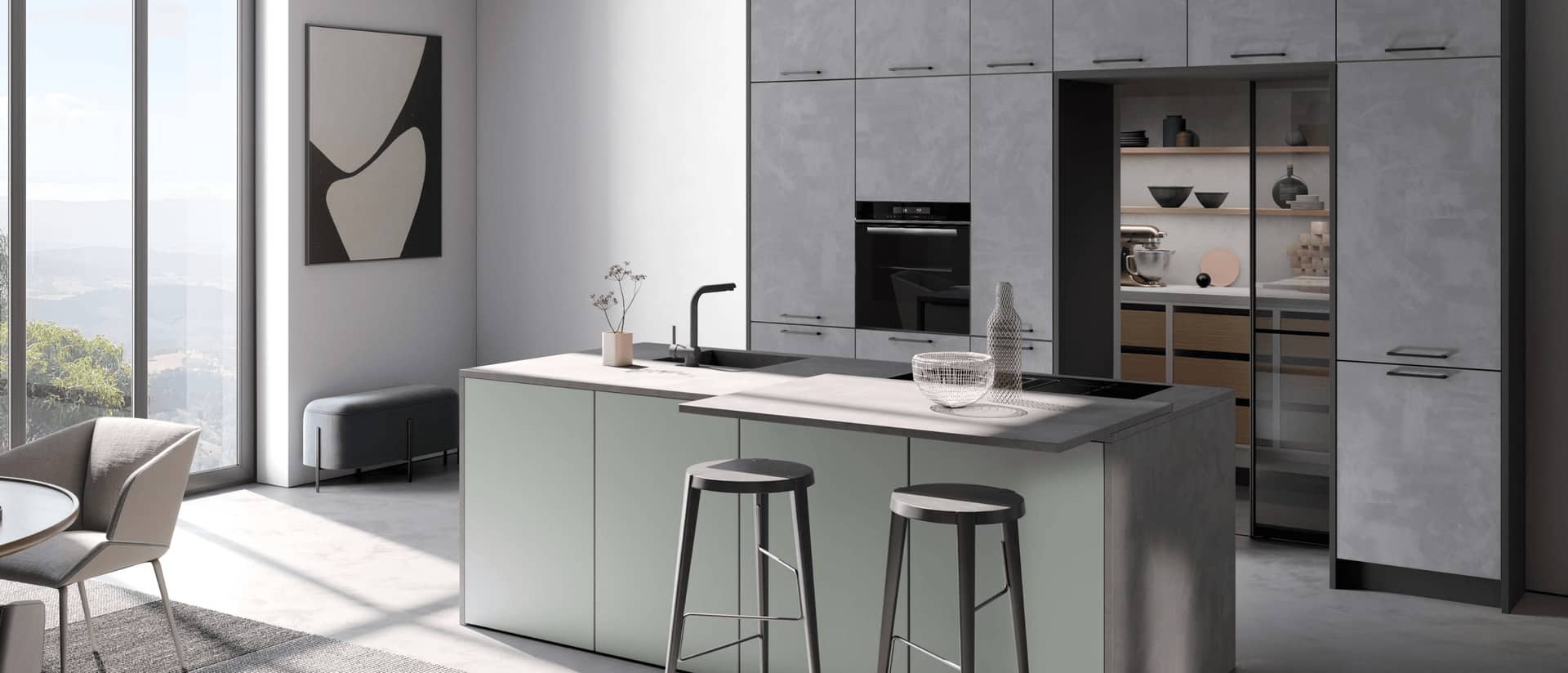
Smart Kitchens for Auckland Homes
In today’s fast-paced world, technology has become an integral part of our daily lives, transforming our homes into hubs of convenience and efficiency. The kitchen is no excepti...
Read more about Smart Kitchens for Auckland Homes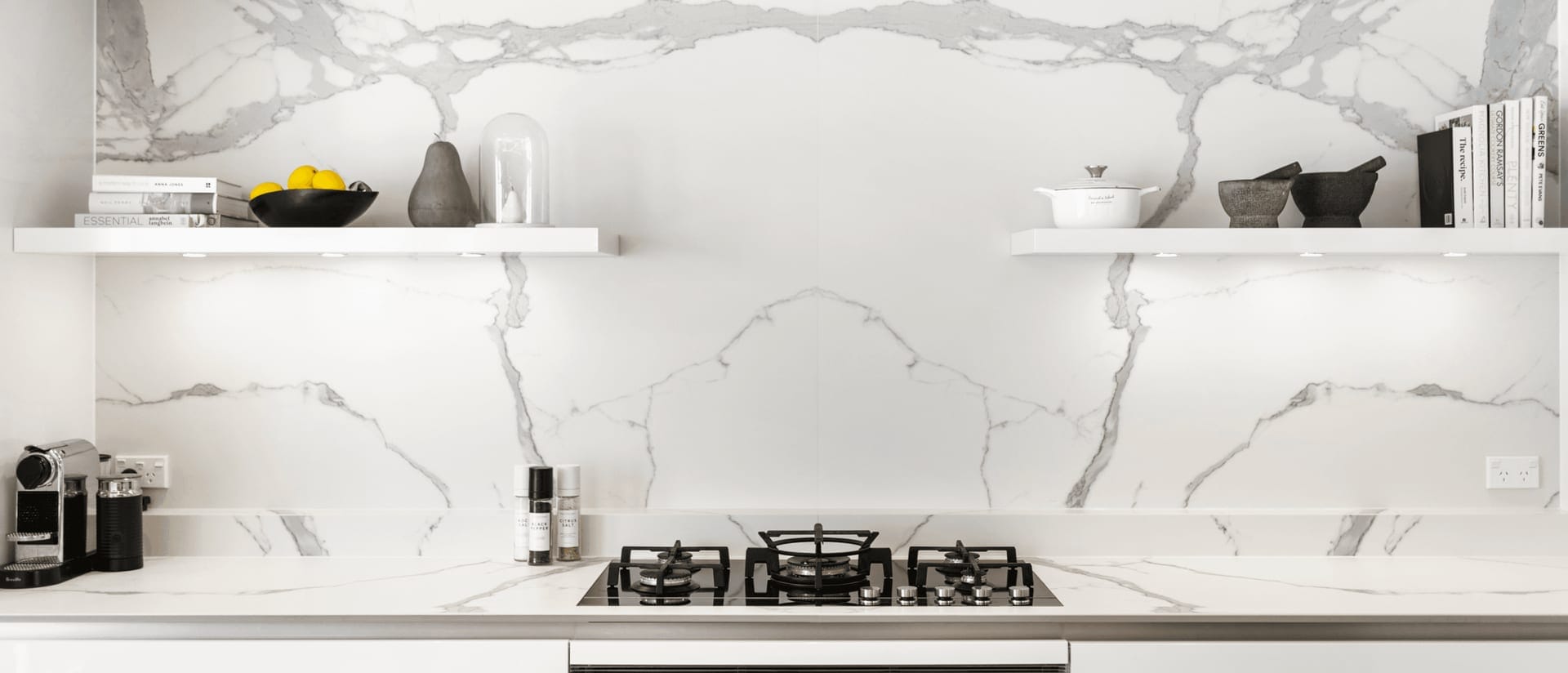
Kitchen Renovation: Style and Function
Discover how to balance style and functionality in your kitchen renovation, creating a beautiful space that suits daily cooking and family life.
Read more about Kitchen Renovation: Style and Function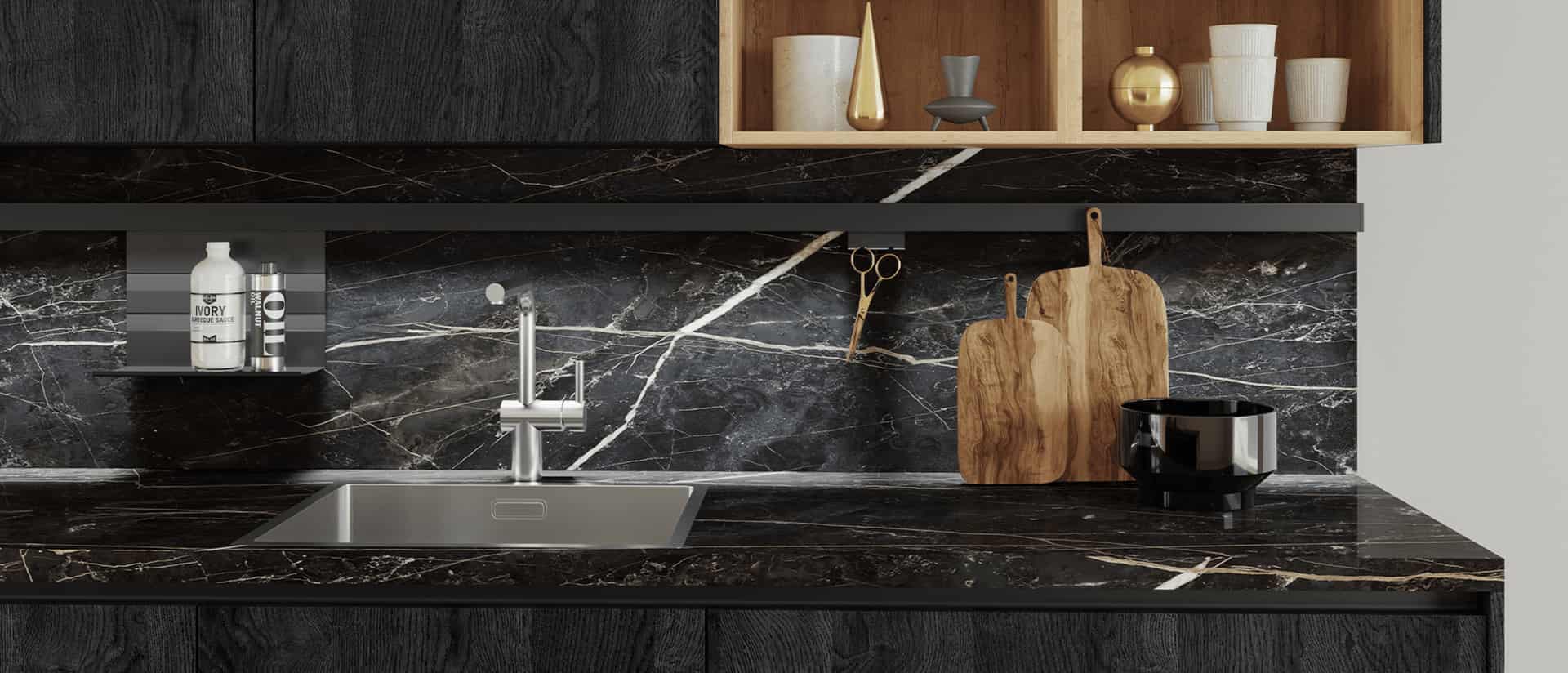
Open vs Closed Kitchen Cabinets
When designing your kitchen you’ll have to make many hard choices. One of the most significant debates in kitchen design is the choice between open and closed cabinets. Each opt...
Read more about Open vs Closed Kitchen Cabinets![Kitchen Design Trends [2023]](/_next/image?url=%2Fblog-images%2FFrame_5_0aa8375f1c.jpg&w=1920&q=80)
Kitchen Design Trends [2023]
Explore kitchen design trends, from modern colours and textures to sleek layouts, and see how they can refresh the heart of your home.
Read more about Kitchen Design Trends [2023]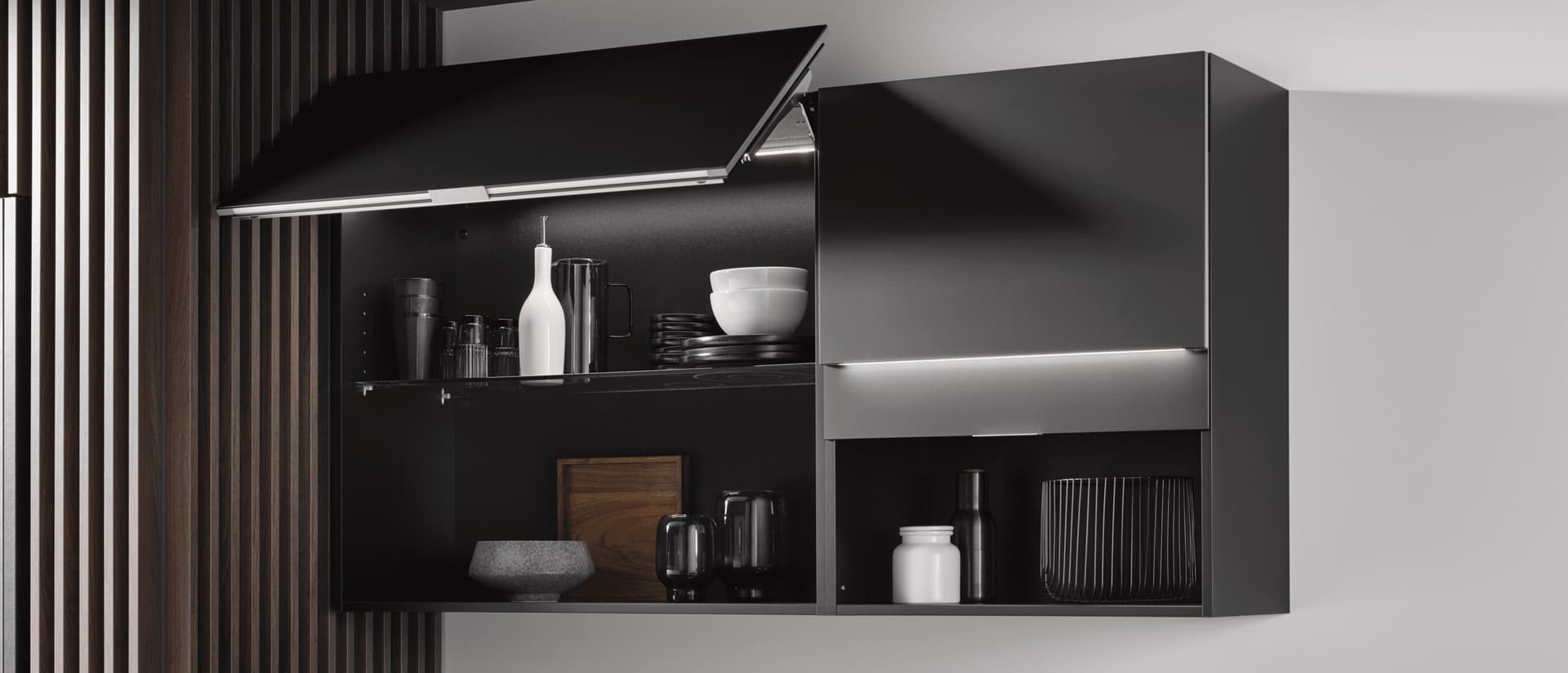
Kitchen Design Mistakes to Avoid
Avoid common kitchen design mistakes with tips on layout, lighting and storage so your space stays practical, welcoming and easy to cook in.
Read more about Kitchen Design Mistakes to Avoid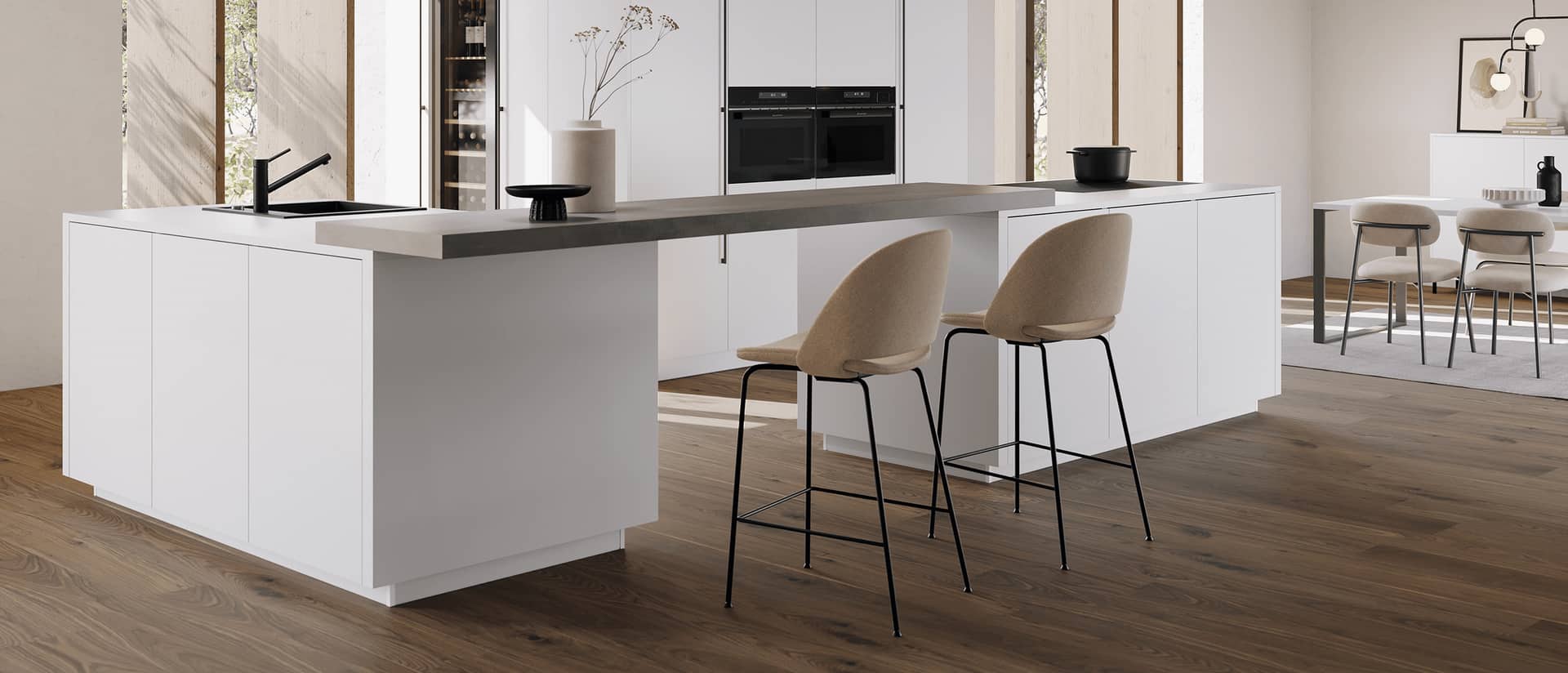
How to Choose the Perfect Kitchen Benchtop
Choose the right kitchen benchtop with advice on materials, durability, maintenance and style, matched to how you cook and use your space.
Read more about How to Choose the Perfect Kitchen Benchtop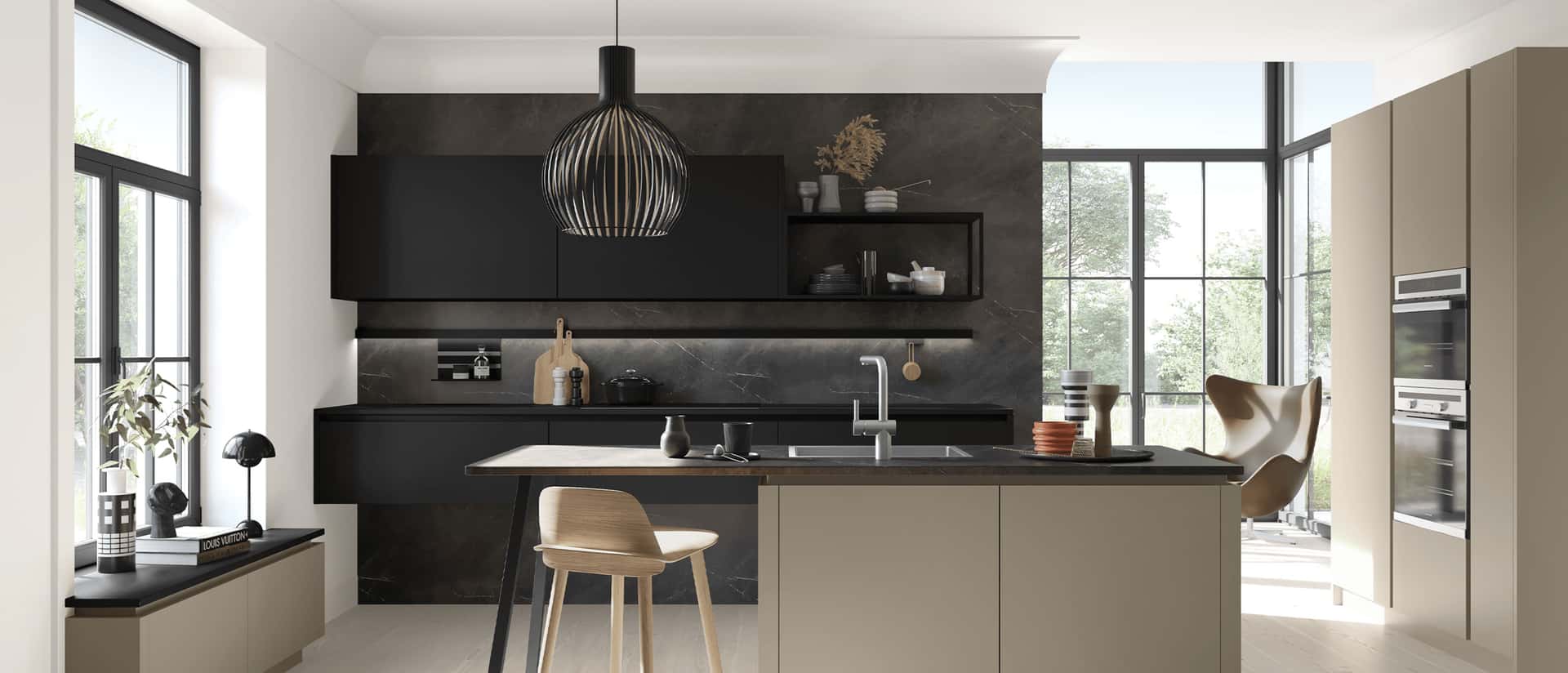
How a Designer Plans Your Kitchen
See how a professional kitchen designer plans your space, from understanding your lifestyle to optimising layout, storage and finishes with Häcker kitchens.
Read more about How a Designer Plans Your Kitchen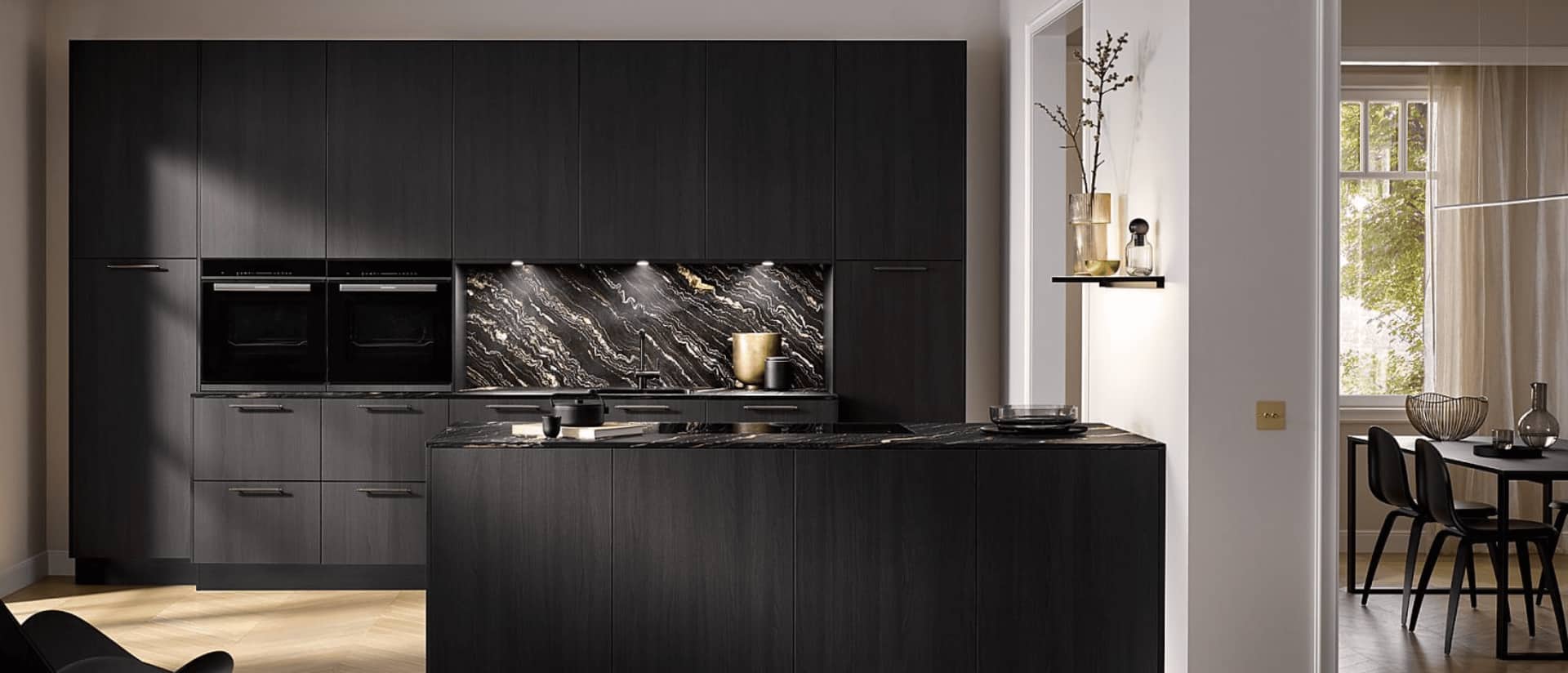
How To Plan A Kitchen Renovation
Plan your kitchen renovation step by step, with practical tips on layout, storage, appliances and finishes inspired by Häcker’s German-made kitchens.
Read more about How To Plan A Kitchen Renovation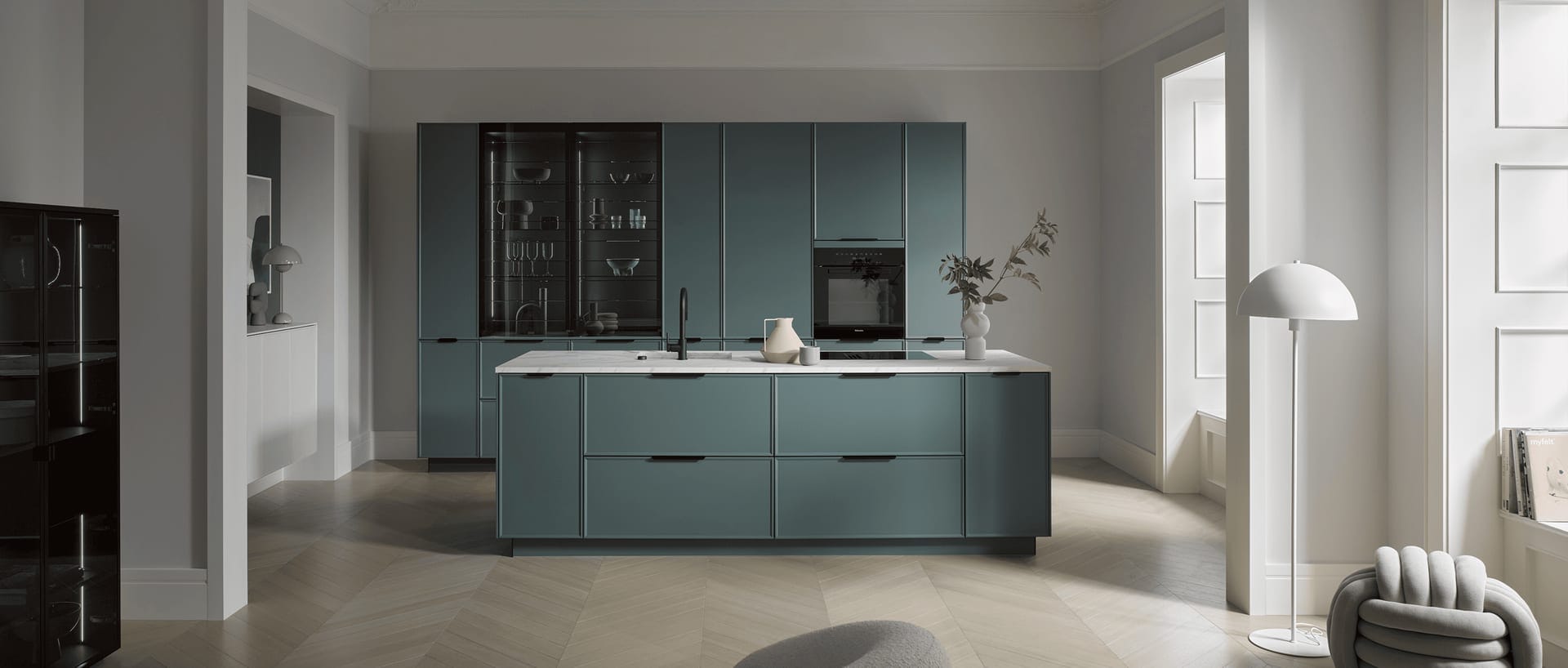
How Much Does a Kitchen Renovation Cost in NZ?
Learn what a kitchen renovation costs in NZ, including key price drivers, budgeting tips and how Häcker kitchens can help you invest wisely in your home.
Read more about How Much Does a Kitchen Renovation Cost in NZ?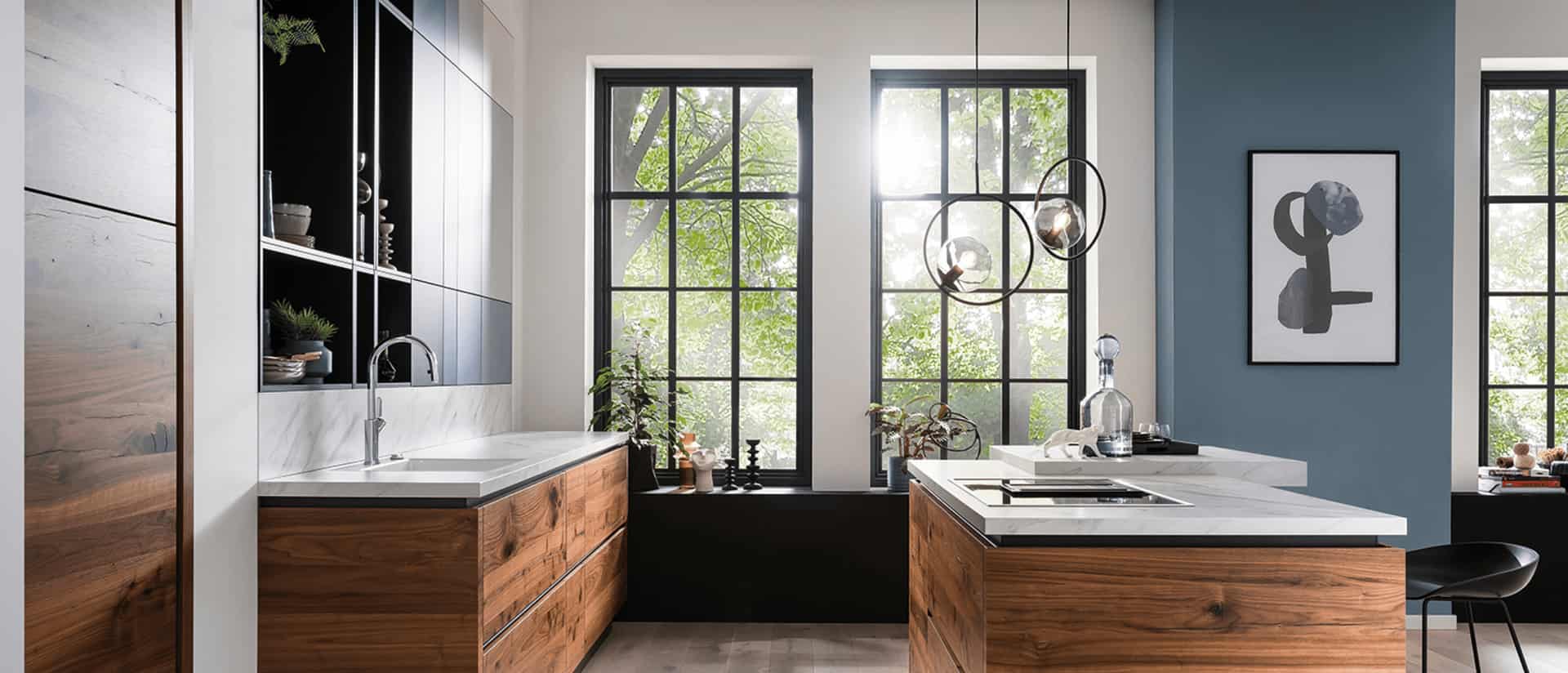
How Do You Choose The Right Kitchen Design Studio?
Find out how to choose the right kitchen design studio, from checking experience and service to understanding quality, process and support.
Read more about How Do You Choose The Right Kitchen Design Studio?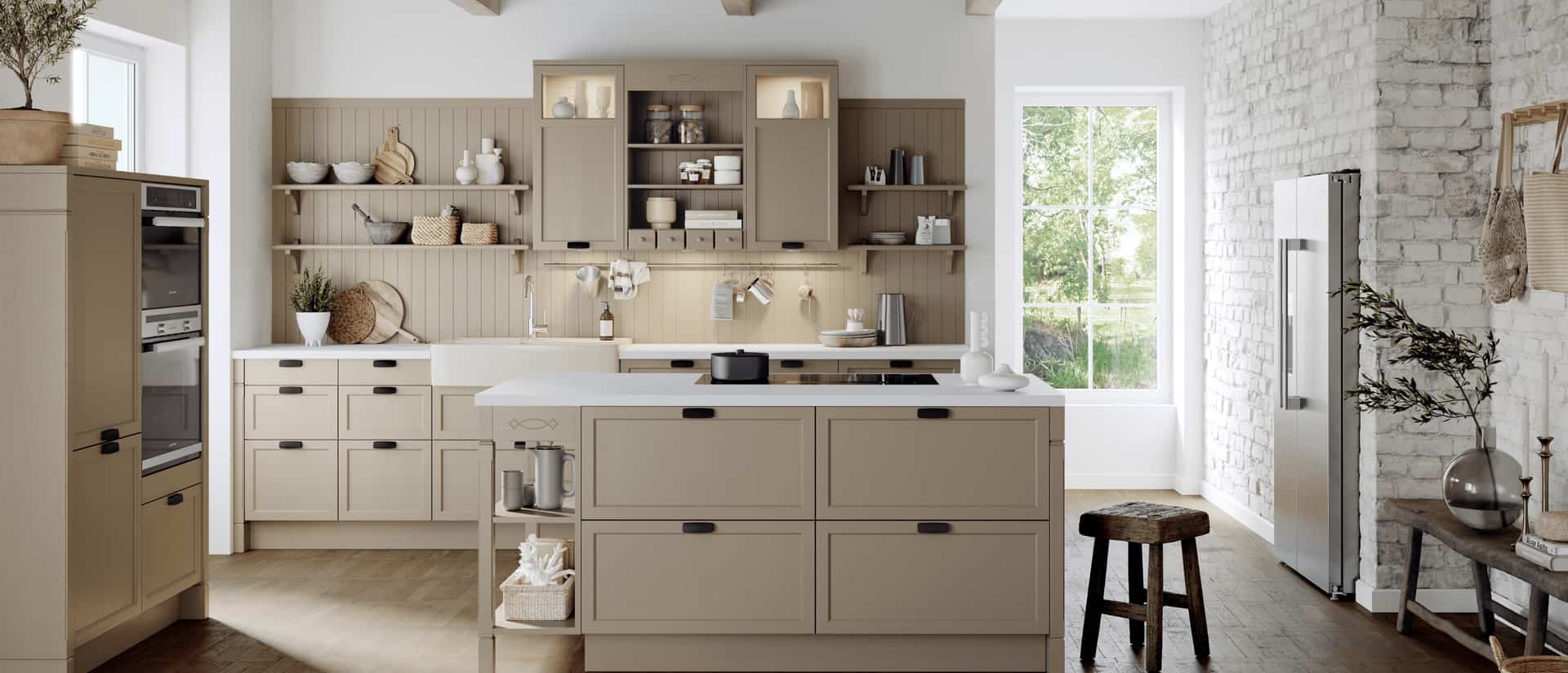
Future Proof Your Kitchen: 5 Tips
Future-proof your kitchen with 5 tips on layout, technology and timeless design so it looks great and performs well for many years to come.
Read more about Future Proof Your Kitchen: 5 Tips5 Reasons Why German Kitchens Are So Popular
Find out why German kitchens are so popular in New Zealand, from precision engineering and smart storage to durable finishes and timeless style.
Read more about 5 Reasons Why German Kitchens Are So Popular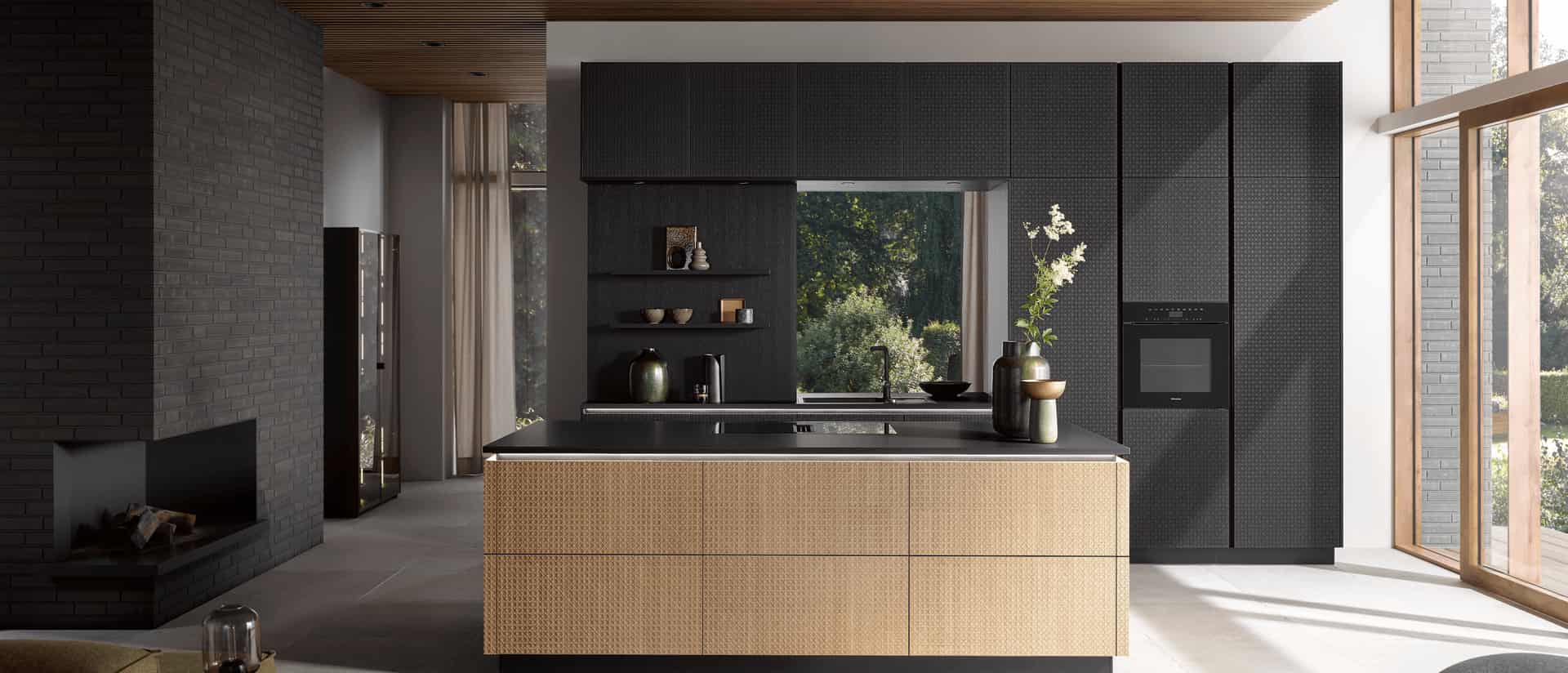
Top Kitchen Trends in 2025
As we step into 2025, kitchens are evolving to reflect modern lifestyles, combining elegance, functionality, and sustainability. For Auckland homeowners, these trends bring exci...
Read more about Top Kitchen Trends in 2025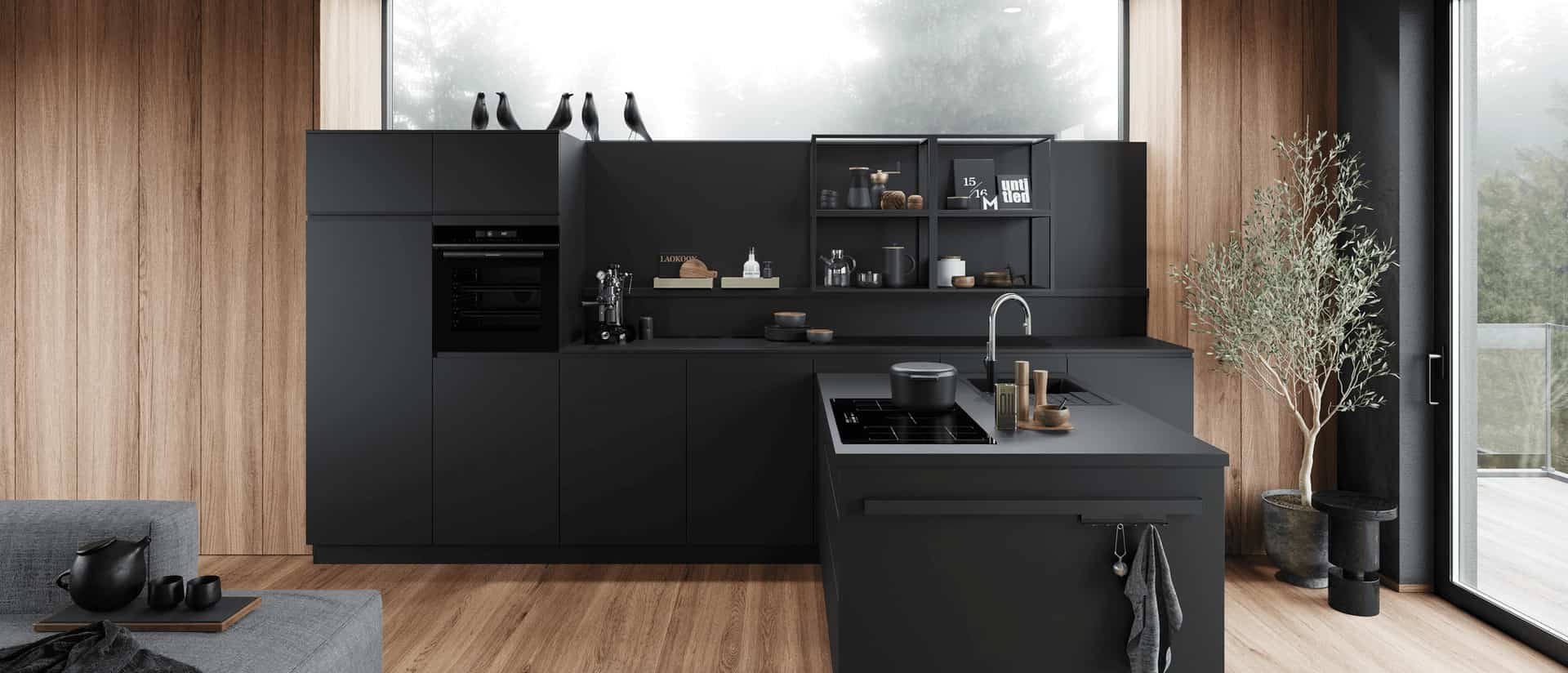
Luxury Upgrades for Your Kitchen
The kitchen is often referred to as the heart of the home. It’s where meals are prepared, families gather, and memories are made. But what if your kitchen could offer more than ...
Read more about Luxury Upgrades for Your Kitchen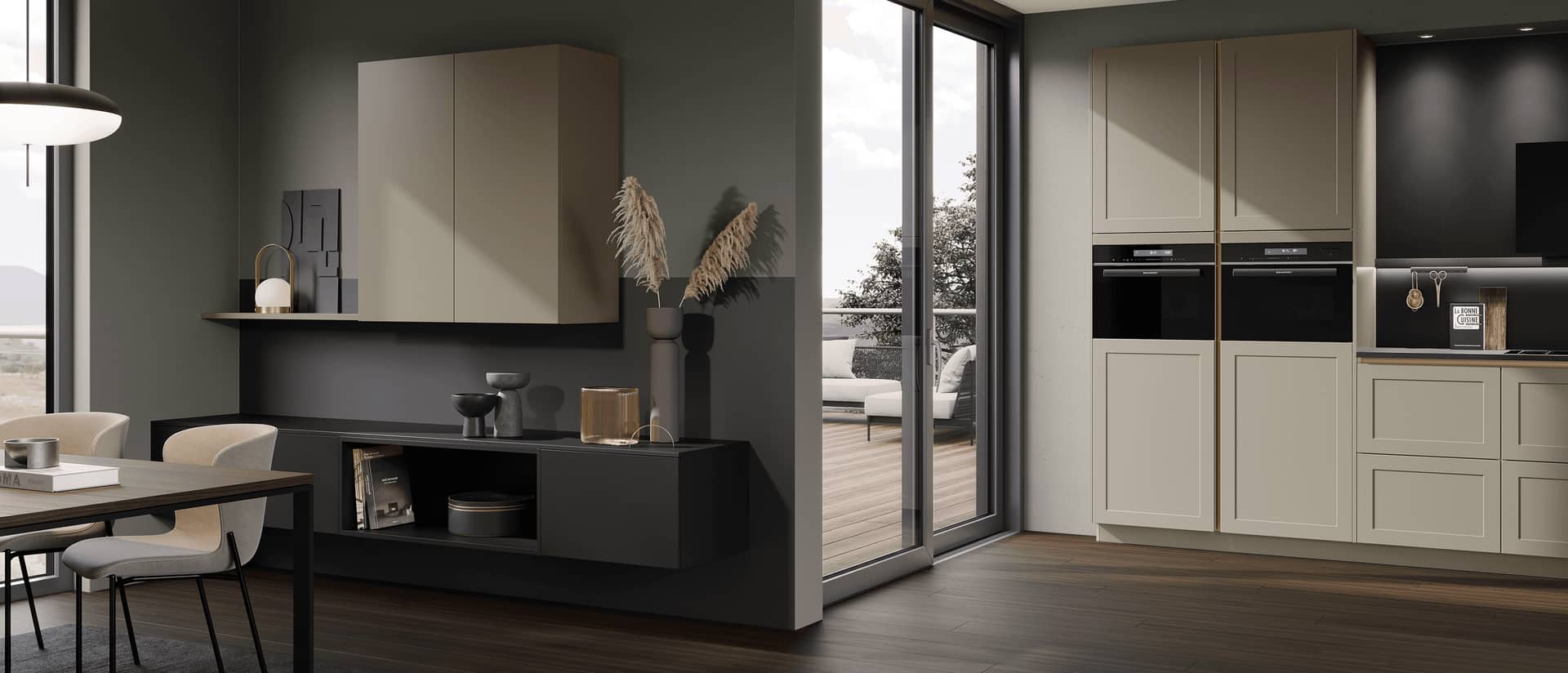
Space-saving tips for your kitchen
In Auckland, where homes are becoming increasingly compact, making the most of your kitchen space is crucial. Häcker Kitchens is at the forefront of creating stylish and functio...
Read more about Space-saving tips for your kitchen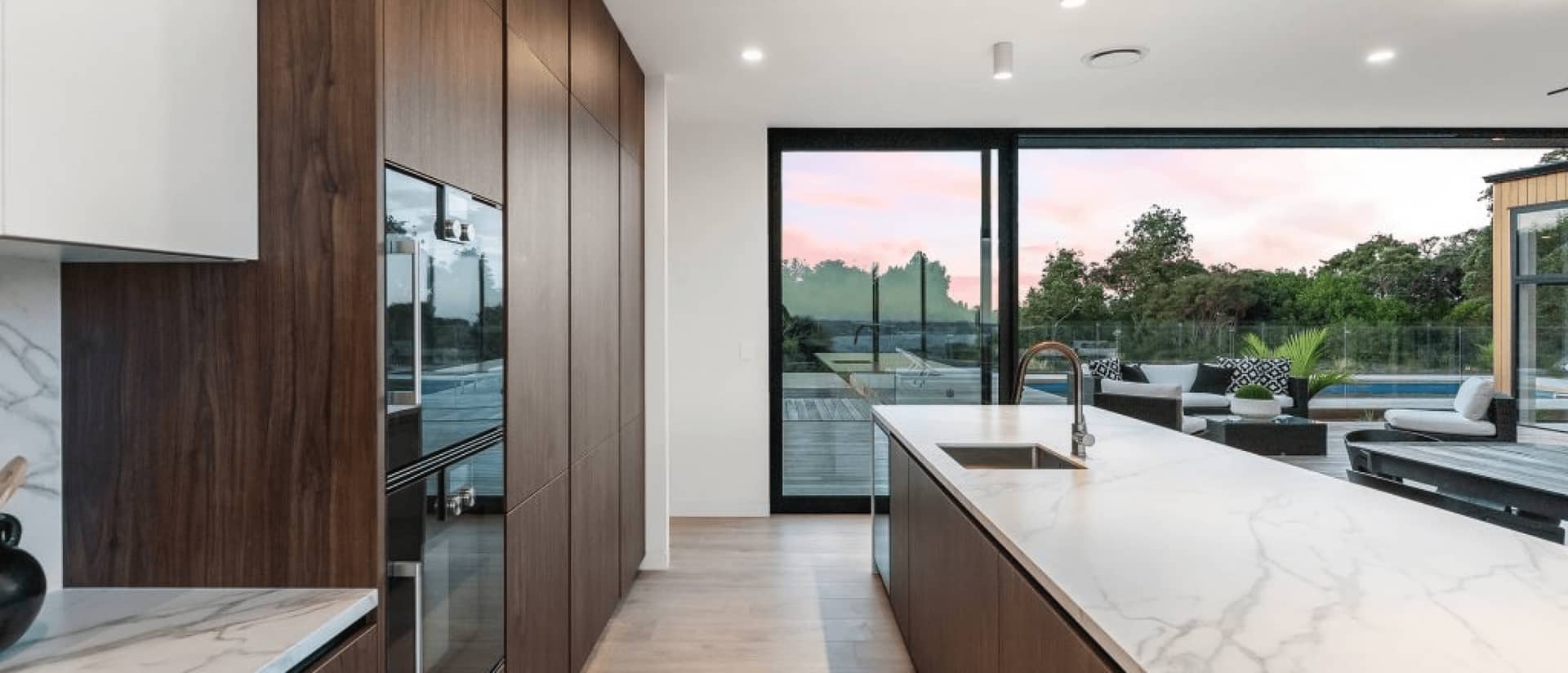
Sustainable Kitchens – Why Häcker Is The Best Choice
In today’s world, the importance of sustainability cannot be overstated. When it comes to kitchen design, Häcker Kitchens stands as a beacon of environmental responsibility and innovation. Based in Rödinghausen, Germa...
Read more about Sustainable Kitchens – Why Häcker Is The Best Choice