Whether this is your first kitchen renovation or you’ve done it before, the process can feel overwhelming. Kitchens are often considered the most complex area of a home renovation, as they require many elements to work seamlessly together—such as power, gas, water, ducting, appliances, and storage. These 10 key considerations are designed to give you valuable insight into what lies ahead and help you focus on what matters most to you, ensuring the best possible outcome for your new kitchen.
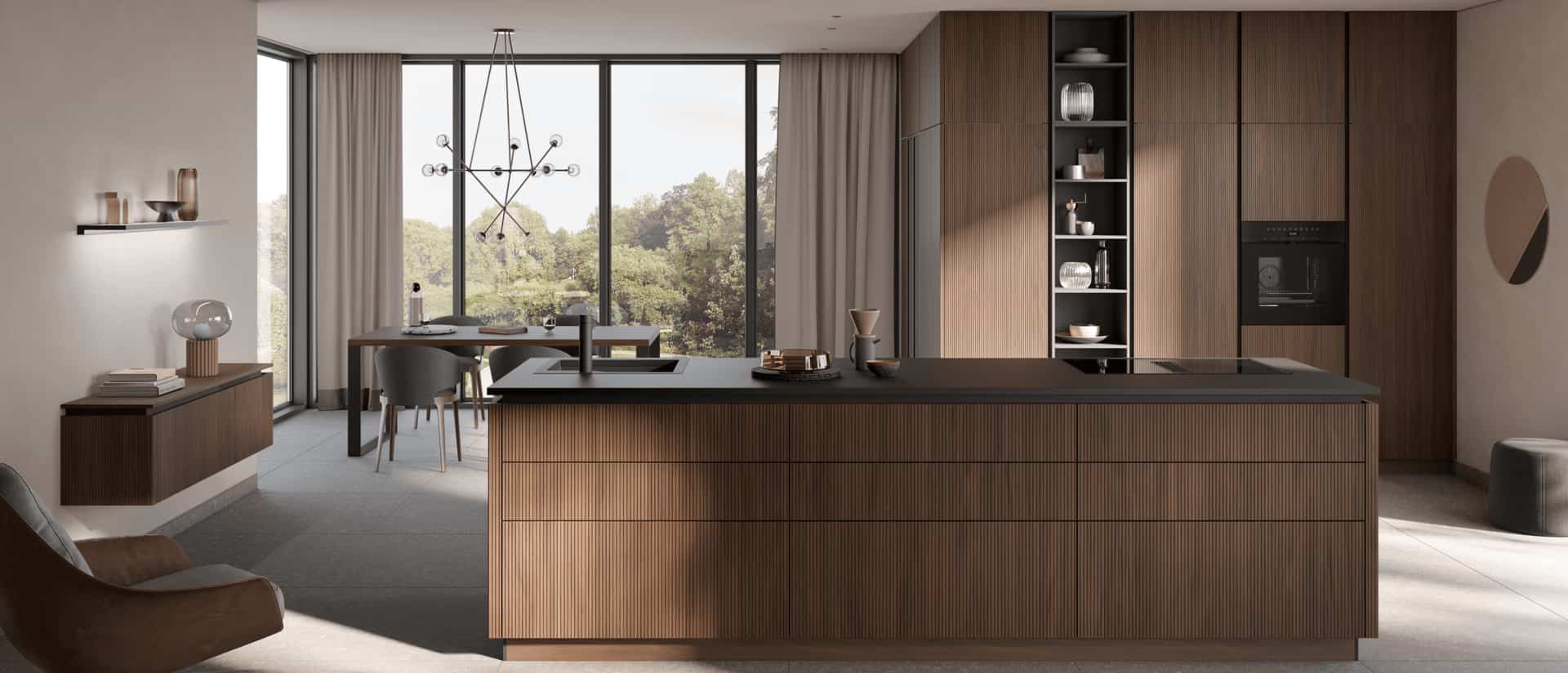
Top 10 Things You Need to Know Before Buying Your New Kitchen
1. How Much Is Too Much?
When planning a new kitchen, the possibilities can feel endless. Should you remove walls? Change external windows? Update the ceiling, lighting, or flooring? Relocate the sink, hob, or oven? With so many options, it’s easy to get carried away.
Start by deciding how much you’re comfortable spending on the entire project, then consider how long you want the renovation to take. Changes to the home’s exterior or the removal of structural walls can significantly increase costs and often extend timelines due to the need for council consents and approvals.
If removing walls is part of your plan, it’s essential to confirm with your contractor or builder whether those walls are structural or contain utilities such as plumbing or electrical wiring. Your contractor may request your home’s original plans to determine this—these are usually held by the local council and can be obtained for a fee.
Finally, think carefully about what you plan to keep. A well-designed kitchen should last at least 10 to 20 years, so consider whether existing elements—such as flooring, lighting, appliances, or finishes—will still suit your needs and stand the test of time. While it’s possible to replace items like ovens, fridges, or flooring later, it’s often more complicated than expected. Appliances are not made to standard sizes, meaning replacements may be limited or require costly modifications to your kitchen.
2. The Big Disruption!
Having a new kitchen installed can be life changing. The kitchen space is a place that so many of us spend so much of our time and the disruption to our daily lives can be immeasurable when this space is not available. No matter what anyone says, an entire kitchen renovation will take at least 3-4 weeks. If you are building a new house and have some where to live in the meantime then this is not really a problem, but if you and your family are living in the house while the renovation is going on, then prepare yourself for some serious disruption. It might help to think about the best time of year to renovate… such as when it's warmer and you can make use of your BBQ area. Alternatively, if you would like to enjoy your new kitchen in the lovely summer months then maybe consider cooking meals and freezing them for some of the renovation period. Eating takeaways or pizza every night can get old very quickly.
In previous renovations, I have used the old sink & bench space and had our builder set it up outside so that dishes could easily be done with the garden hose. Alternatively, setting yourself up in the laundry is another easy solution. A trestle table with the microwave, kettle, toaster and a small grill or portable hob can make all the difference. If a portion of the renovation could coincidently tie in with a trip down visiting Grandma, I imagine that it would be a welcome break.
A renovation of any kind is a bit noisy. Keep this in mind if you have little ones still at home napping or if you work from home. The dust from gib or painting or demolition can literally go everywhere. If your home is open plan, ask your builder if a plastic partition can be put up to contain the mess from entering every room in your home.
3. Get the Look
The idea of a new kitchen often begins with hours spent scrolling through Pinterest, admiring beautiful spaces that others get to call home. Gathering inspiration and developing a clear sense of the style you love is a great place to start—and it’s incredibly helpful to share this with your kitchen designer.
That said, it’s important to make sure your dream kitchen is achievable within your space. It’s common for people to fall in love with expansive, open-plan kitchens featuring five-metre islands, only to want to recreate them in a compact three-by-three-metre room. While that exact layout may not be possible, it doesn’t mean your new kitchen can’t be just as stunning.
The key is to focus on the elements that draw you in—whether it’s the finishes, colour palette, textures, or overall feel. These details can often be adapted to suit your space and still achieve a similar look. So keep pinning, keep dreaming, and let your designer help translate that inspiration into a kitchen that works beautifully for you.
4. Kitchen Designers Aren’t Magic
Kitchen designers, believe it or not, aren’t born with superpowers. They can’t make your kitchen physically larger—unless you’re planning to enlarge the room itself. What they can do is help you make far better use of the space you already have and create a kitchen that’s more functional and better suited to you and your family.
The key to a successful design is a clear and accurate brief. The more information you can give your designer, the better the outcome will be. Create a wish list and talk it through during your meetings—whether it’s storage needs, must-have appliances, or how you use the space day to day. This ensures that everything you’re dreaming of is considered and thoughtfully incorporated into the final design.
5. What’s Important to You?
For most of us, budget is a limiting factor, and that usually means some level of compromise. Rarely does a kitchen design allow for everything, so it’s important to be clear about what matters most to you from the outset.
During initial consultations, I often ask clients to identify their priorities. If you love to cook and will genuinely use—and appreciate—every feature your appliances offer, then allocating a healthy portion of your budget to quality appliances makes sense. On the other hand, if your passion lies more in interiors and your idea of cooking peaks at an El Paso taco kit, your budget may be better spent on beautiful finishes and design details.
Ultimately, work out what you value most in your kitchen and communicate this clearly to your designer. This allows them to prioritise the budget where it will have the biggest impact for you, ensuring the final result aligns with how you actually live and use the space.
6. There Are Tricks
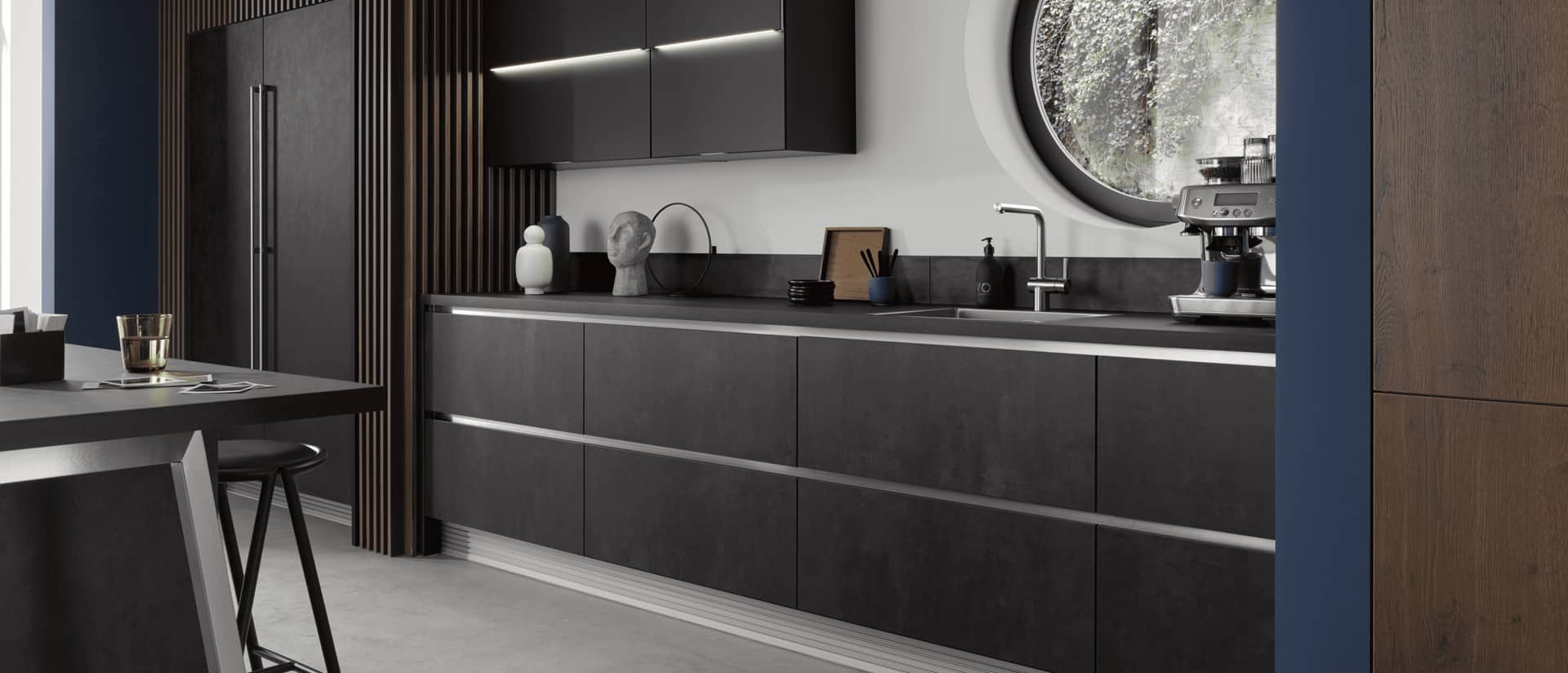
Modern kitchens are full of clever gadgets designed to maximise every nook and cranny—pull-outs for hard-to-reach spaces, touch-to-open drawers, internal lighting, pocket doors, and much more. While these features can be great, even with an unlimited budget it’s neither necessary nor practical to include every accessory on the market. Knowing where to invest and where to compromise is key.
As most people know, drawers are generally a better use of space than cupboards—they hold more and make everything easier to access. That said, it’s still important to allow for some cupboard space, particularly for items like stemware and glasses. A well-designed pull-out bin is another standout feature in any kitchen, and one that allows you to separate recycling is especially useful for everyday living.
7. Who to Choose?
It doesn’t take long to realise that prices can vary wildly—and kitchens are no exception. Much like air travel, there’s economy, business, and first class, with very different experiences at each level.
While it’s true that you generally get what you pay for, a kitchen isn’t a twelve-hour flight—it’s something you’ll likely live with for the next 10–20 years. After a month-long renovation and all the associated disruption, most people aren’t keen to repeat the process any time soon. If you don’t plan on moving in the near future, it’s also worth considering the long-term value a quality kitchen can add, both in daily enjoyment and in the eventual saleability of your home.
So what’s the difference between a kitset or flat-pack kitchen and one supplied by a reputable kitchen company? The answer varies, but a kitchen from a local cabinet maker or a European imported kitchen can be as much as 50-100% more than your kitset option. In return, you typically gain a much wider range of finishes, fully customisable cabinetry sizes, and higher-quality materials.
European kitchen manufacturers, in particular, can offer door finishes that aren’t always achievable locally due to their specialised machinery and production scale. Reputable kitchen companies also tend to employ more experienced designers to guide you through the process—and importantly, they take responsibility for ensuring everything fits. Hardware quality is another key difference and is often vastly superior, something you’ll truly appreciate a year or two down the track when you’re not spending your Sundays hunting for replacement hinges.
Ultimately, the decision comes down to budget. When clients are unsure which route to take, I often suggest getting a quote from a building merchant. Going through this exercise quickly highlights the differences and helps clarify whether those differences matter to you.
8. Check it
Often in the kitchen design process there are a lot of conversations that happen and things get changed and then changed again. These changes sometimes have a knock-on effect that can result in items that you really wanted being removed for others. Before sending your kitchen off to be manufactured spend time reviewing the design, bill of materials and run over your quotation making sure everything is itemised. It's a lot easier at ordering stage than when the kitchen is getting installed.
9. Natural Stone or Man-Made Stone?
Over the past two decades, there has been a significant shift in benchtop materials. Engineered stone—also known as reconstituted quartz—rose to prominence in the early 2000s as the popular man-made alternative to granite and laminates. However, in the last ten years, porcelain (also referred to as sintered stone) has taken the lead as the new favourite.
Porcelain has surged in popularity due to its exceptional durability. It is highly resistant to scratches and heat, will not stain, and requires virtually no maintenance. It’s also an excellent option for outdoor use. While porcelain will never replicate the unique look of a natural stone slab, its practicality makes it ideal for busy households where low maintenance is a priority.
That said, clients who fall in love with natural stone are often willing to accept the extra care it requires in exchange for the visual “drama” and character that only real stone can provide. For this reason, I often recommend using natural stone as a feature—such as on an island or splashback—while opting for a low-maintenance, man-made surface in higher-wear areas of the kitchen.
Find More Great Kitchen Solutions & Tips
What a Kitchen Designer Gets Right Before Anything Is Ordered
Designing for a household…not a photograph.
Read more about What a Kitchen Designer Gets Right Before Anything Is Ordered
Clever Kitchen Ideas That Will Transform the Way You Cook
Discover clever kitchen ideas that maximise storage, hide clutter and make cooking easier. Explore innovative kitchen storage solutions from Häcker Kitchens.
Read more about Clever Kitchen Ideas That Will Transform the Way You Cook
28 Clever Kitchen Ideas You'll Wish You'd Known Before Renovating
From tandem pantries to sliding worktops: 28 clever storage and design ideas that make a kitchen work better every day, and well worth knowing before you renovate.
Read more about 28 Clever Kitchen Ideas You'll Wish You'd Known Before Renovating
Top 2026 Kitchen Design Trends in New Zealand
As we move along in 2026, the way people live and spend is shaping kitchen design across New Zealand. Homeowners are renovating with more care, and people want their homes and k...
Read more about Top 2026 Kitchen Design Trends in New Zealand
Kitchens Islands
A kitchen island can be the hallmark of a well-designed kitchen, but it is not a decision to make on instinct alone. In New Zealand homes, where kitchens double as social hubs, an island can feel effortless and inviti...
Read more about Kitchens Islands
Bespoke Kitchens
A bespoke kitchen is where good taste meets daily life. It is not about showing off, but about shaping a space that feels effortless, calm, and considered. In New Zealand homes,...
Read more about Bespoke Kitchens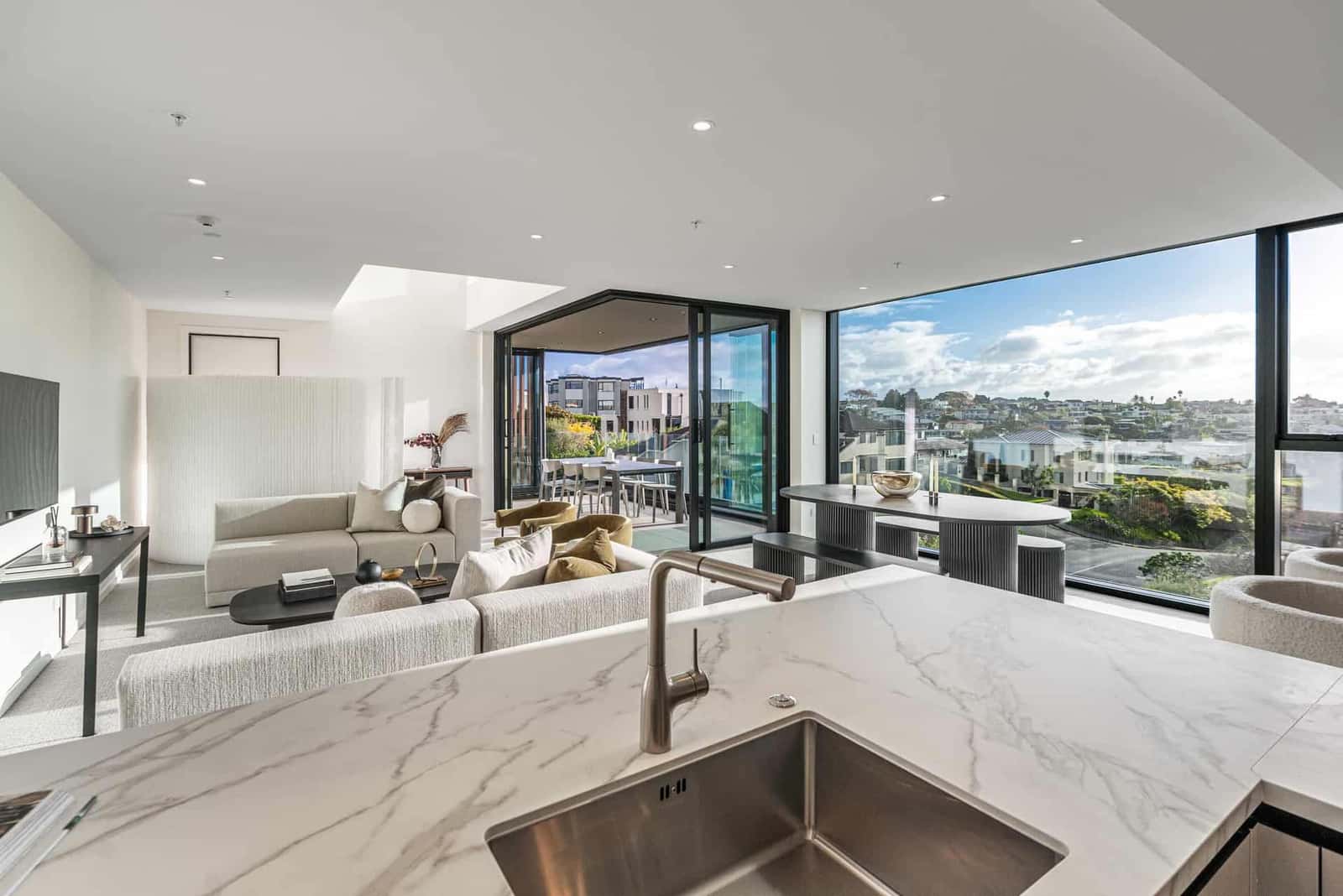
Kitchen Renovations
Redesigning a kitchen is a big decision because it affects how your home works every day. It’s not just about choosing new cabinets or colours. A good kitchen needs to fit how y...
Read more about Kitchen Renovations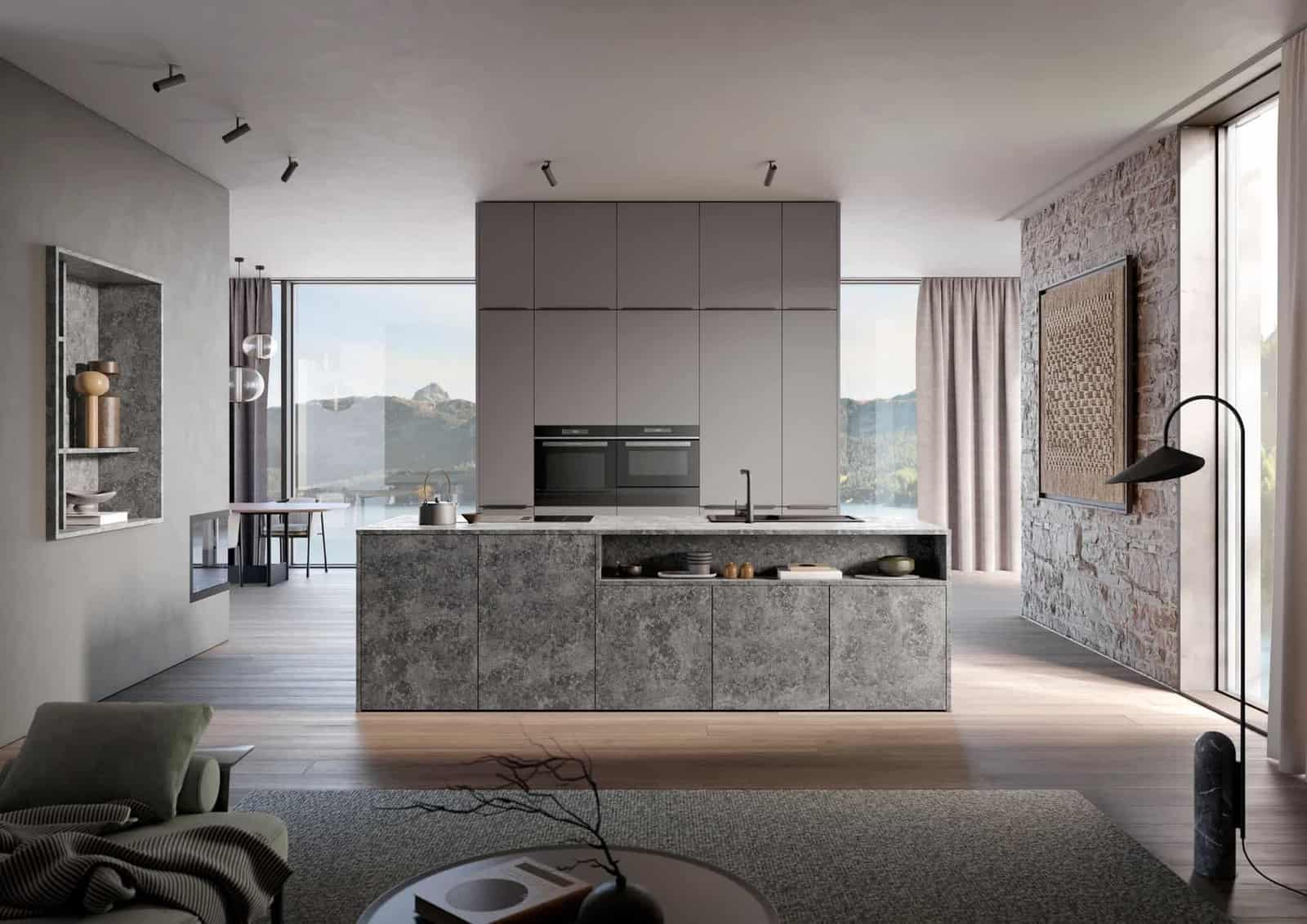
10 Common Kitchen Renovation Mistakes
Learn 10 common kitchen renovation mistakes from professionals and get practical advice to avoid delays, extra costs and design regrets.
Read more about 10 Common Kitchen Renovation Mistakes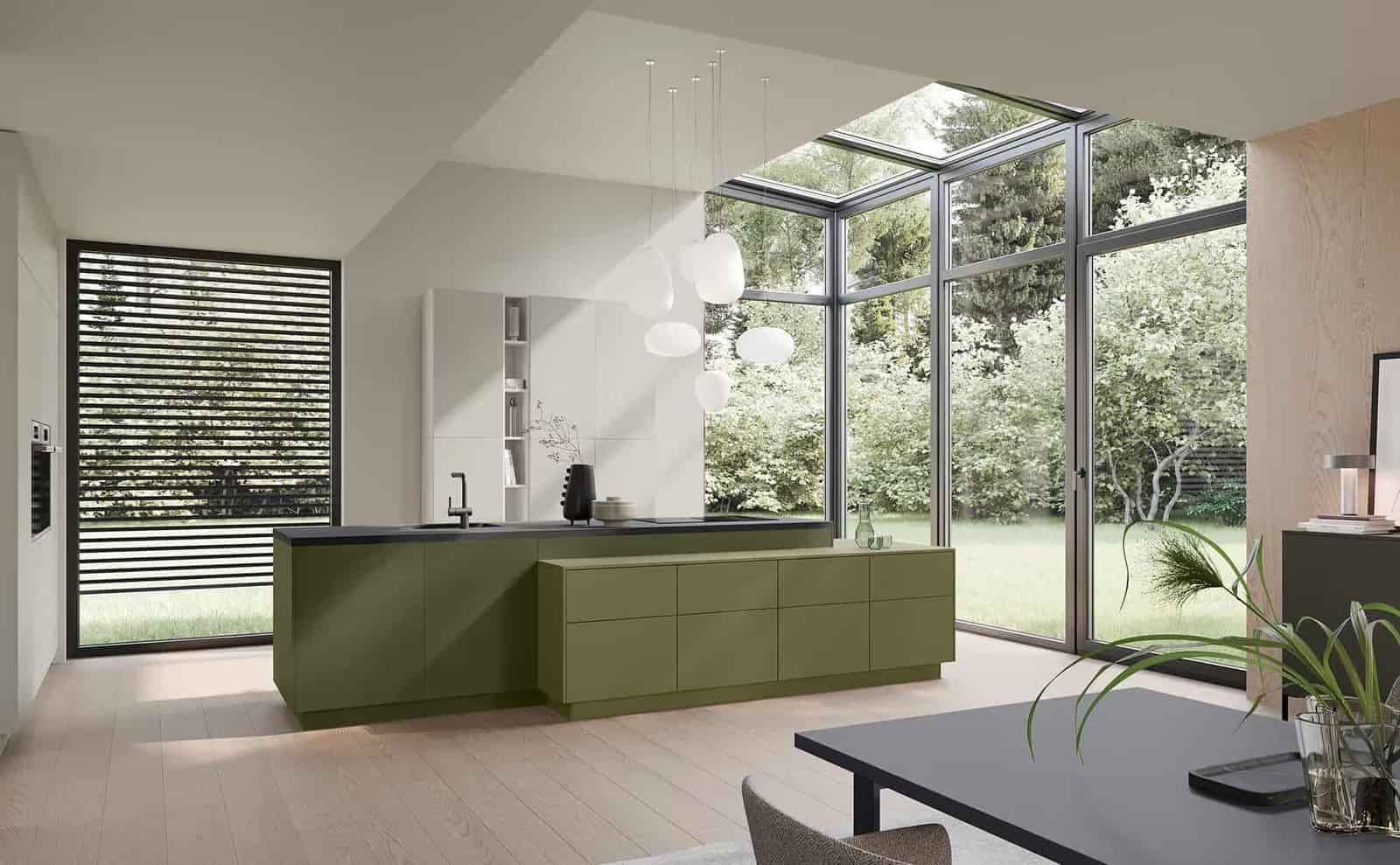
Modern Kitchen Island Ideas
In the heart of every Kiwi home lies the kitchen, where families come together to create memories and share meals. A well-designed kitchen island can elevate the functionality and aesthetics of this space, serving as ...
Read more about Modern Kitchen Island Ideas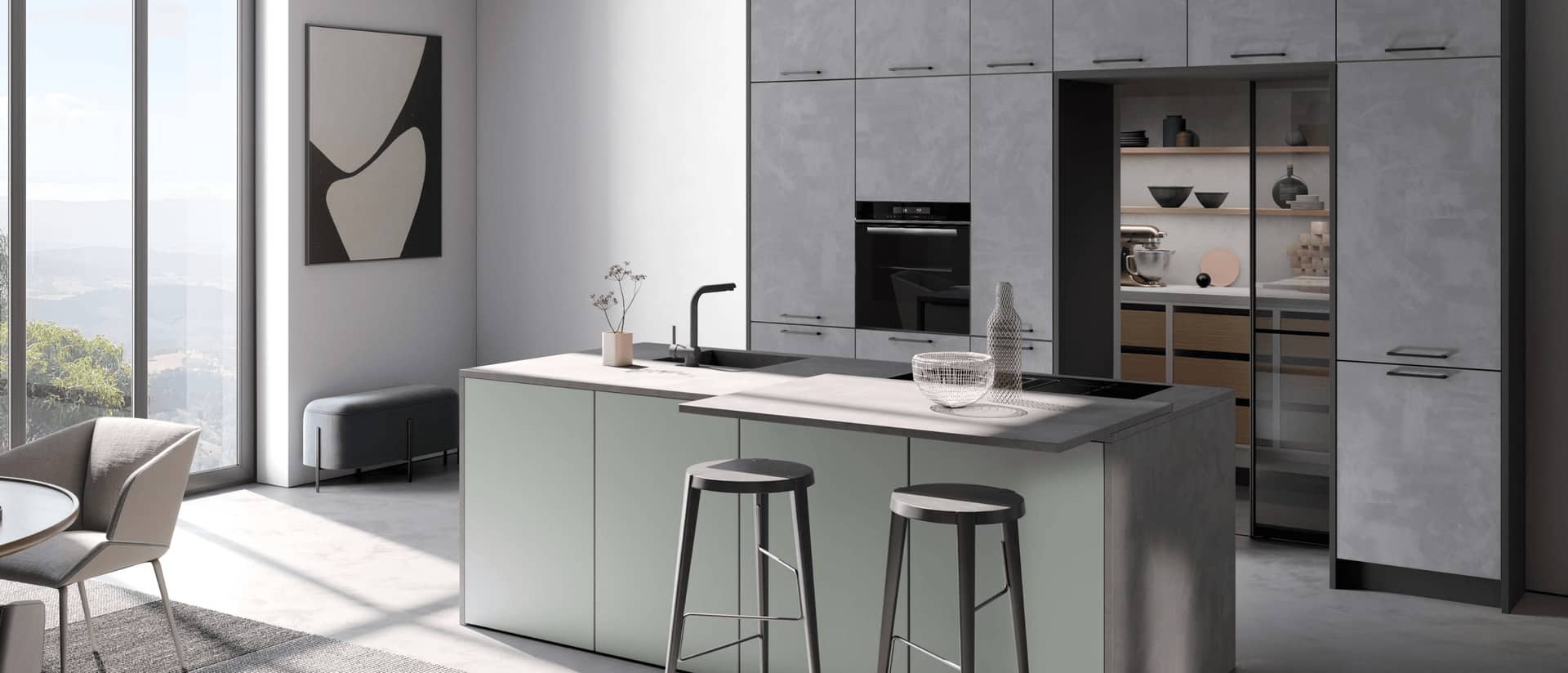
Smart Kitchens for Auckland Homes
In today’s fast-paced world, technology has become an integral part of our daily lives, transforming our homes into hubs of convenience and efficiency. The kitchen is no excepti...
Read more about Smart Kitchens for Auckland Homes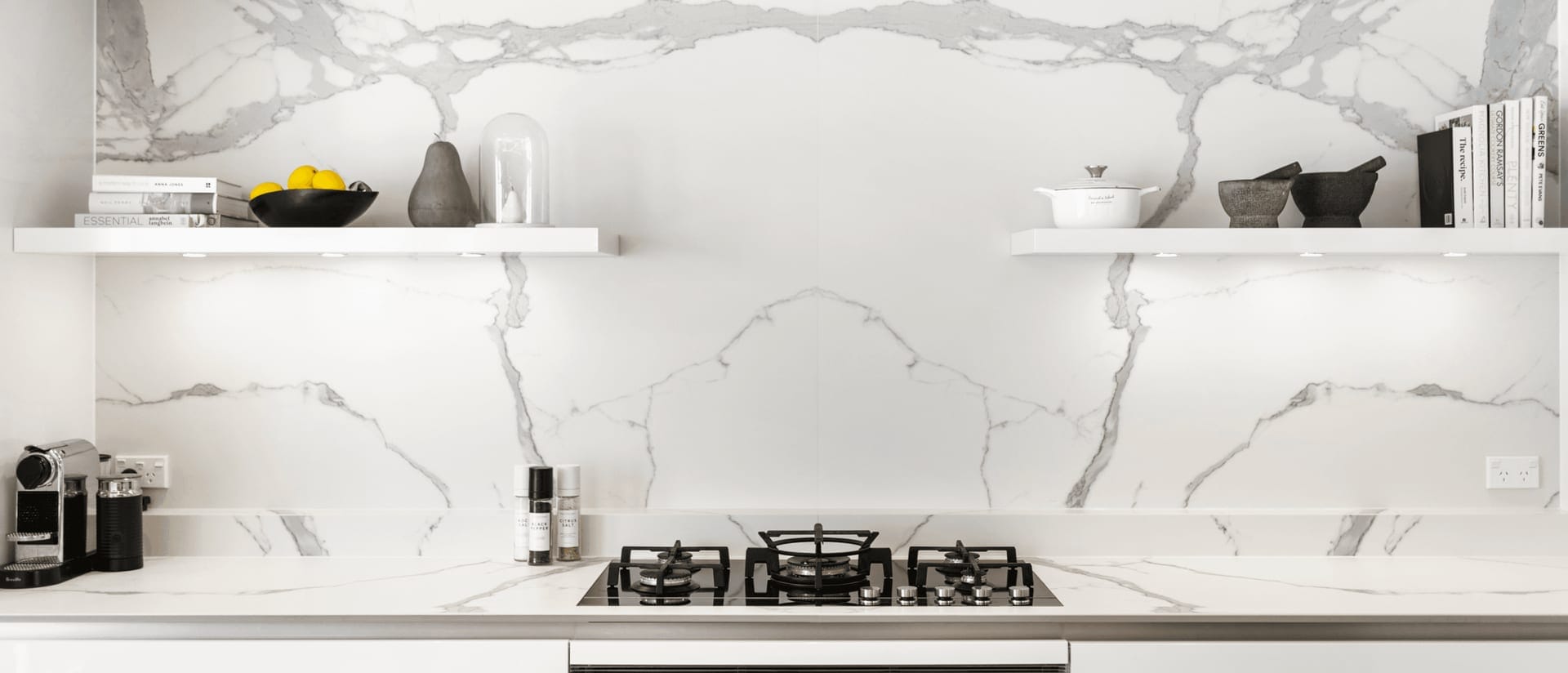
Kitchen Renovation: Style and Function
Discover how to balance style and functionality in your kitchen renovation, creating a beautiful space that suits daily cooking and family life.
Read more about Kitchen Renovation: Style and Function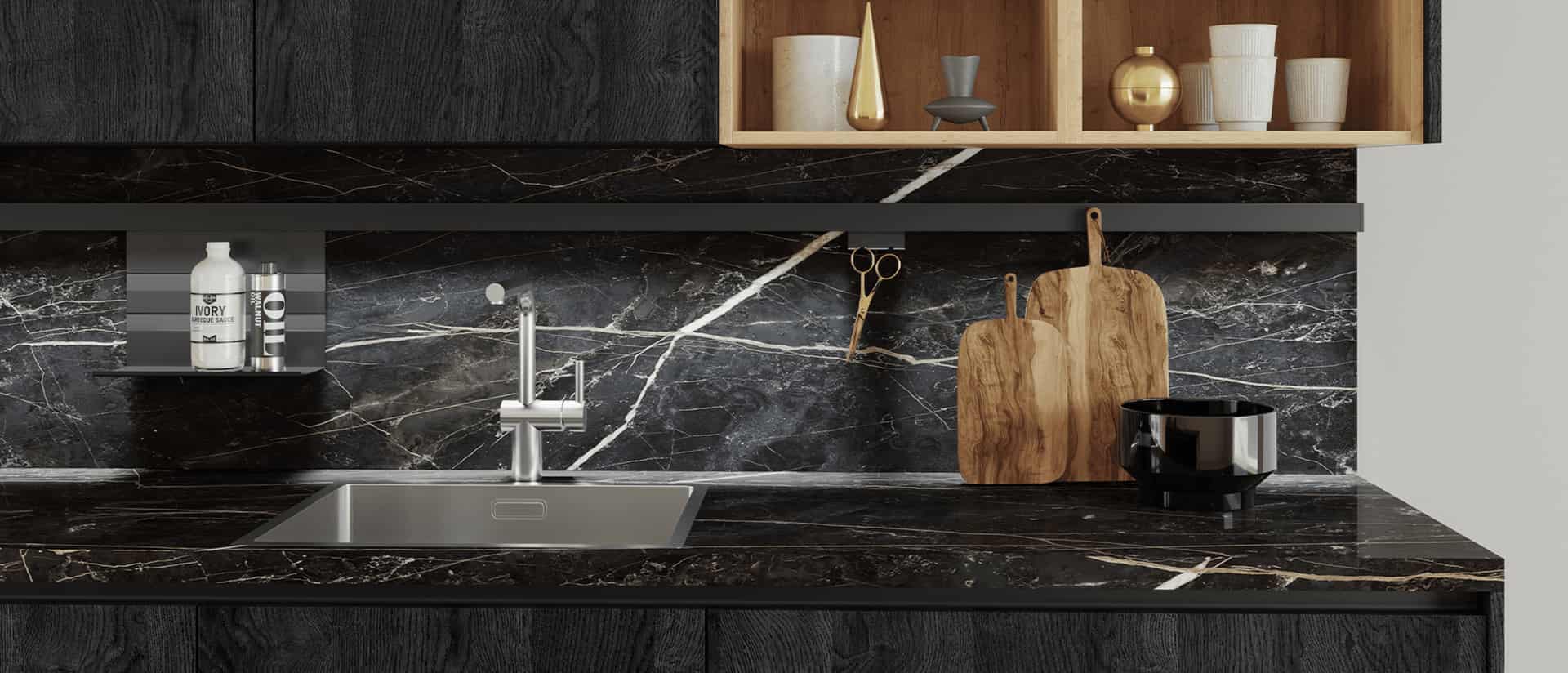
Open vs Closed Kitchen Cabinets
When designing your kitchen you’ll have to make many hard choices. One of the most significant debates in kitchen design is the choice between open and closed cabinets. Each opt...
Read more about Open vs Closed Kitchen Cabinets![Kitchen Design Trends [2023]](/_next/image?url=%2Fblog-images%2FFrame_5_0aa8375f1c.jpg&w=1920&q=80)
Kitchen Design Trends [2023]
Explore kitchen design trends, from modern colours and textures to sleek layouts, and see how they can refresh the heart of your home.
Read more about Kitchen Design Trends [2023]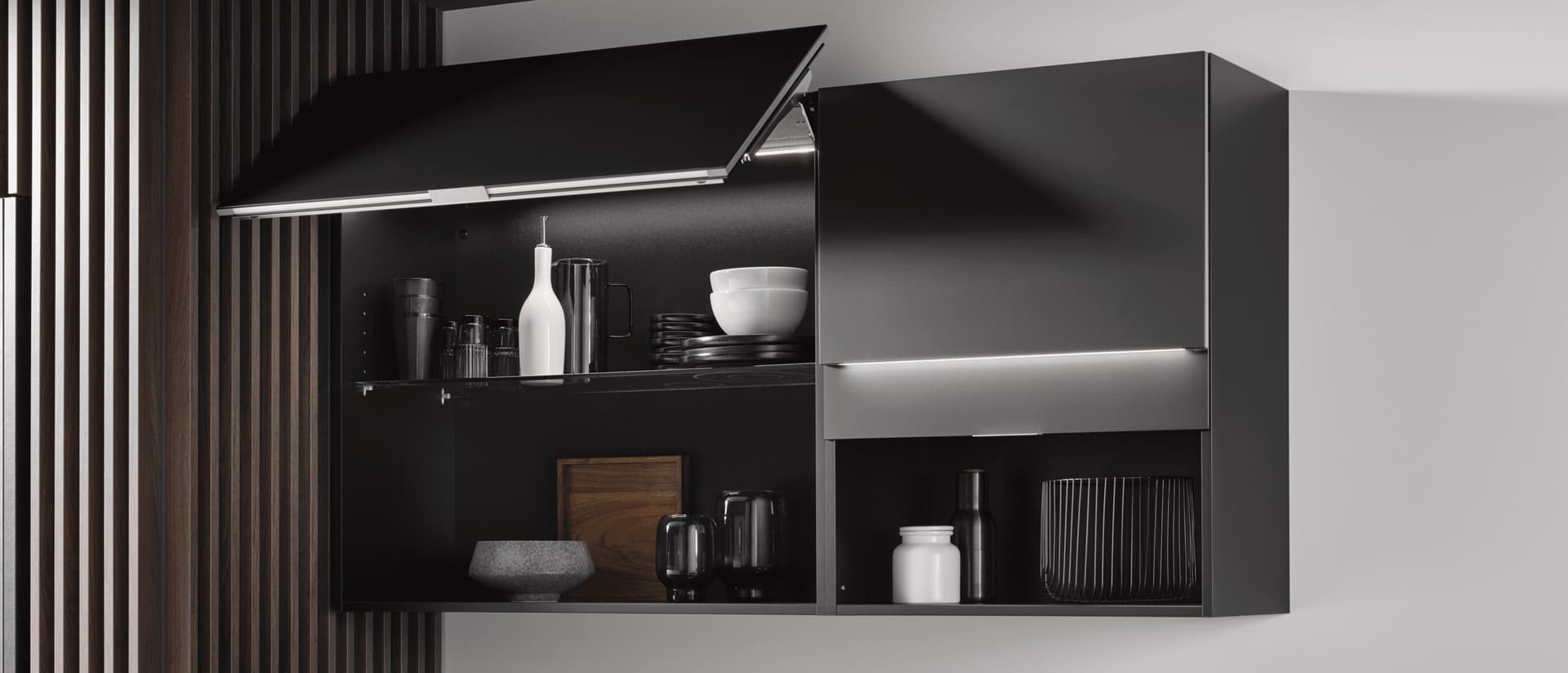
Kitchen Design Mistakes to Avoid
Avoid common kitchen design mistakes with tips on layout, lighting and storage so your space stays practical, welcoming and easy to cook in.
Read more about Kitchen Design Mistakes to Avoid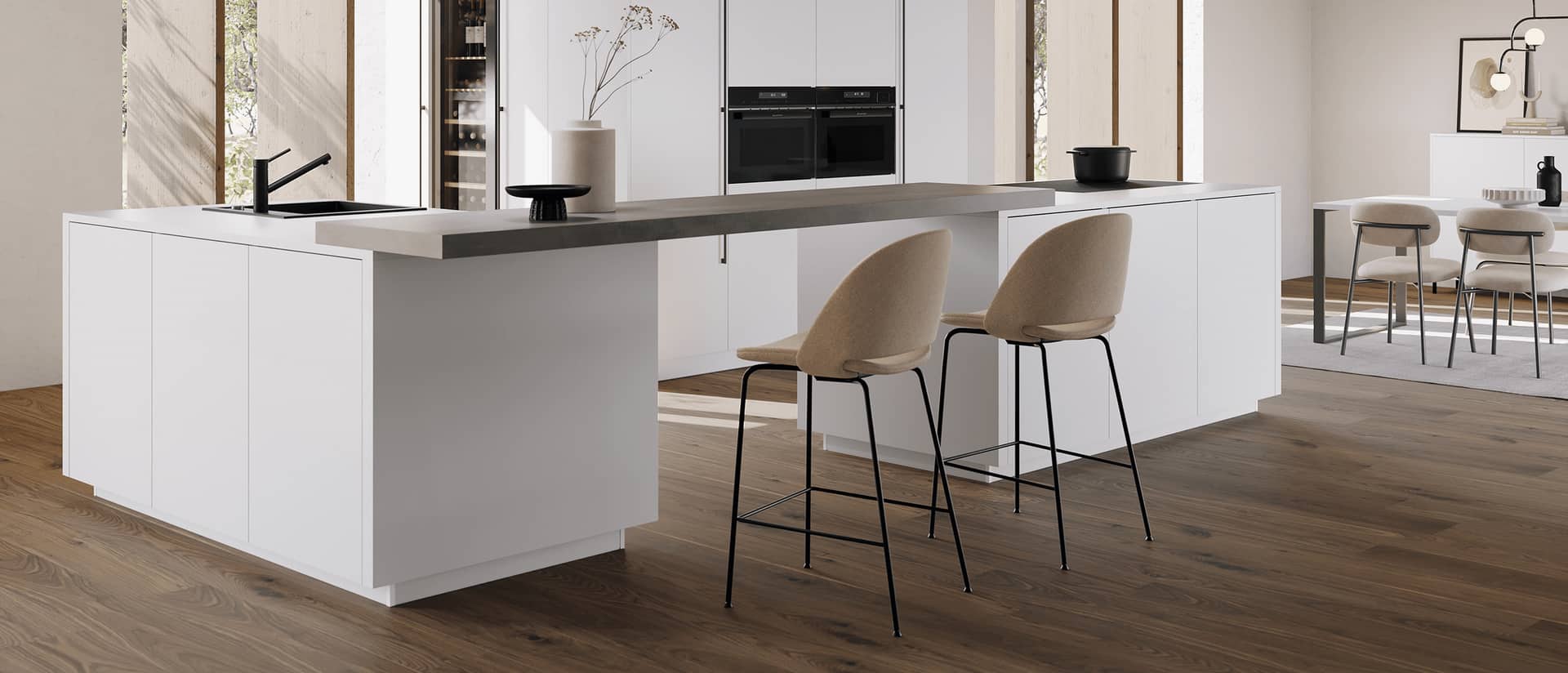
How to Choose the Perfect Kitchen Benchtop
Choose the right kitchen benchtop with advice on materials, durability, maintenance and style, matched to how you cook and use your space.
Read more about How to Choose the Perfect Kitchen Benchtop
How a Designer Plans Your Kitchen
See how a professional kitchen designer plans your space, from understanding your lifestyle to optimising layout, storage and finishes with Häcker kitchens.
Read more about How a Designer Plans Your Kitchen
How To Plan A Kitchen Renovation
Plan your kitchen renovation step by step, with practical tips on layout, storage, appliances and finishes inspired by Häcker’s German-made kitchens.
Read more about How To Plan A Kitchen Renovation
How Much Does a Kitchen Renovation Cost in NZ?
Learn what a kitchen renovation costs in NZ, including key price drivers, budgeting tips and how Häcker kitchens can help you invest wisely in your home.
Read more about How Much Does a Kitchen Renovation Cost in NZ?
How Do You Choose The Right Kitchen Design Studio?
Find out how to choose the right kitchen design studio, from checking experience and service to understanding quality, process and support.
Read more about How Do You Choose The Right Kitchen Design Studio?
Future Proof Your Kitchen: 5 Tips
Future-proof your kitchen with 5 tips on layout, technology and timeless design so it looks great and performs well for many years to come.
Read more about Future Proof Your Kitchen: 5 Tips5 Reasons Why German Kitchens Are So Popular
Find out why German kitchens are so popular in New Zealand, from precision engineering and smart storage to durable finishes and timeless style.
Read more about 5 Reasons Why German Kitchens Are So Popular
Top Kitchen Trends in 2025
As we step into 2025, kitchens are evolving to reflect modern lifestyles, combining elegance, functionality, and sustainability. For Auckland homeowners, these trends bring exci...
Read more about Top Kitchen Trends in 2025
Luxury Upgrades for Your Kitchen
The kitchen is often referred to as the heart of the home. It’s where meals are prepared, families gather, and memories are made. But what if your kitchen could offer more than ...
Read more about Luxury Upgrades for Your Kitchen
Space-saving tips for your kitchen
In Auckland, where homes are becoming increasingly compact, making the most of your kitchen space is crucial. Häcker Kitchens is at the forefront of creating stylish and functio...
Read more about Space-saving tips for your kitchen
Sustainable Kitchens – Why Häcker Is The Best Choice
In today’s world, the importance of sustainability cannot be overstated. When it comes to kitchen design, Häcker Kitchens stands as a beacon of environmental responsibility and innovation. Based in Rödinghausen, Germa...
Read more about Sustainable Kitchens – Why Häcker Is The Best Choice